

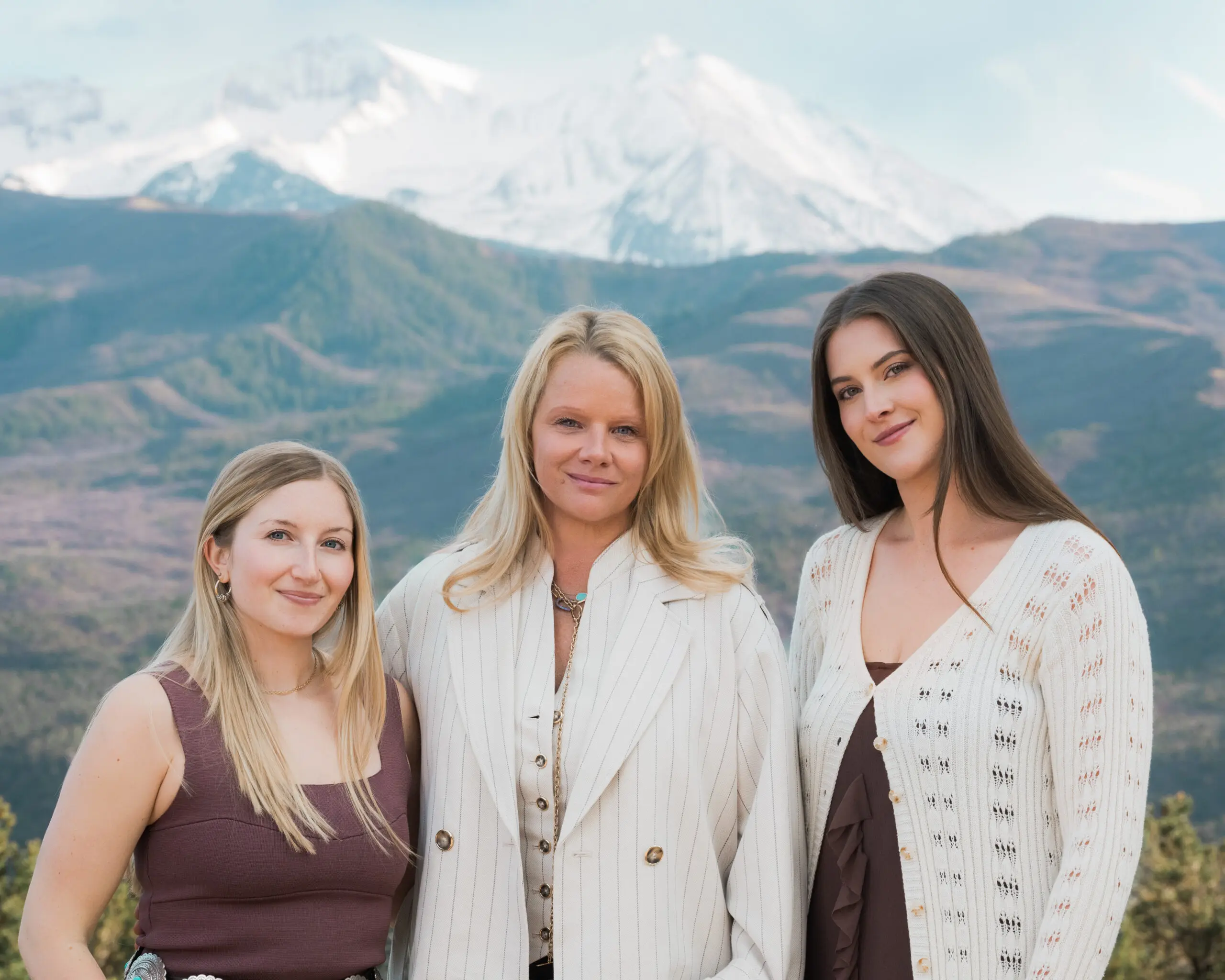
An executive retreat brings people together who may rarely share the same office—or even the same time zone. That makes the retreat a practical opportunity to update individual headshots, create leadership portraits, and make a full-team photograph without scheduling a separate production day.
The most successful portrait block feels like part of the retreat rather than an interruption. The company decides what the images need to communicate, the photographer builds a repeatable visual setup, and the schedule gives each person enough direction without pulling the group away from the program for too long.
Decide Which Portraits the Company Actually Needs
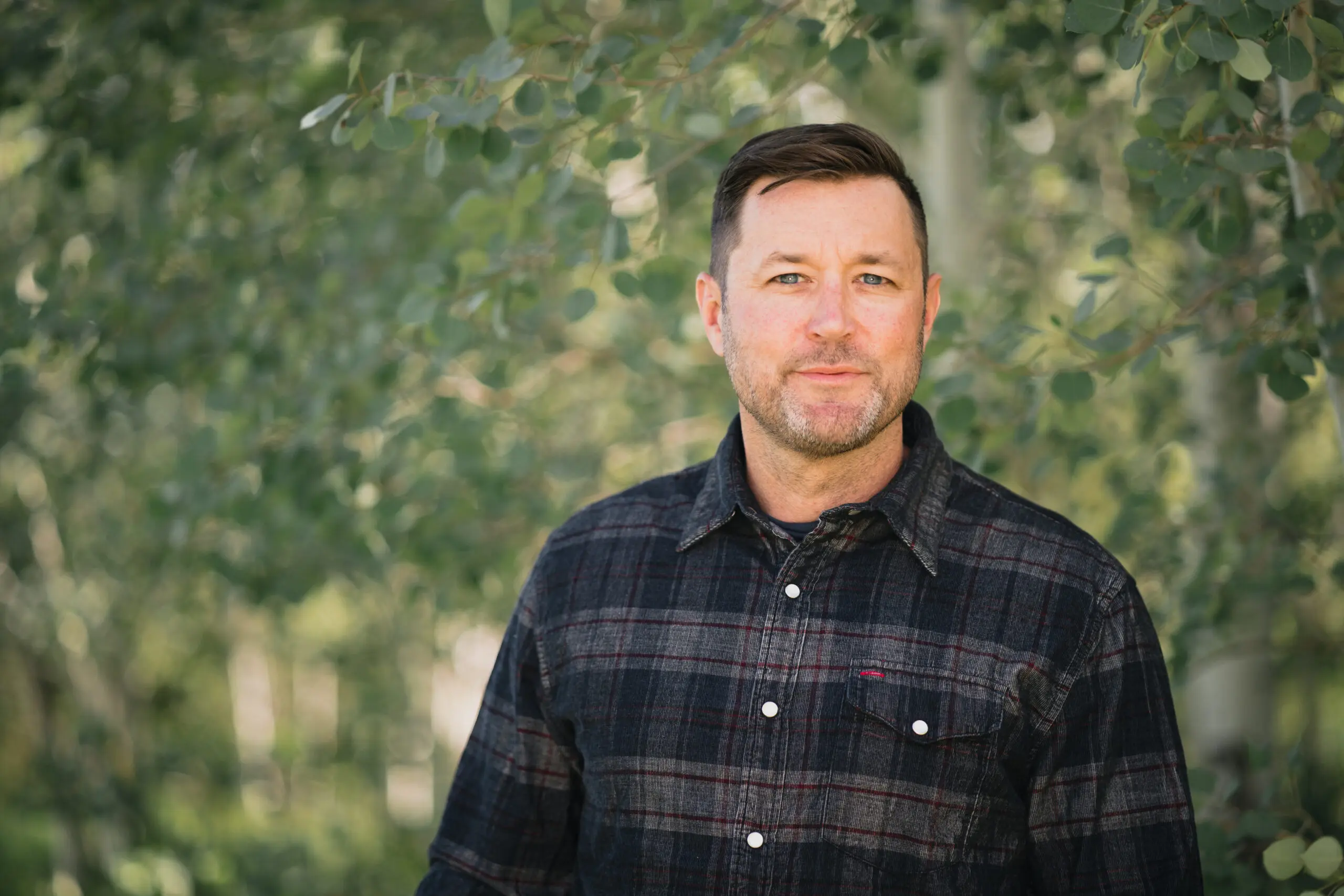
“Headshots” can describe several different deliverables. A consistent set of individual photographs may be intended for an About page, media requests, speaker biographies, LinkedIn, or internal directories. Environmental leadership portraits may need more space and context for a website or annual report. A full-team photograph serves another purpose entirely.
Before the retreat, create a short deliverable list:
- individual headshots for everyone or a defined leadership group;
- environmental portraits of selected executives;
- one or more full-team arrangements;
- smaller department or leadership-team photographs; and
- horizontal or vertical options needed for specific layouts.
Confirming the uses early helps determine the background, crop, expression, wardrobe guidance, and time required.
Choose Between a Consistent Headshot Setup and Environmental Portraits
A neutral or controlled background makes it easier to create a consistent set across many people. An environmental portrait includes more of the Aspen setting or retreat venue and can communicate a stronger sense of place, but it also introduces changes in light, weather, activity, and background.
The company does not always have to choose one approach for every person. A consistent setup can cover the full headshot list efficiently, while a smaller number of executives receive environmental portraits in a separate block. What matters is deciding which images belong together as a set.

When lighting or color changes between portraits, I can often make adjustments to brightness and color during post-production if the client is comfortable with that approach. This provides some flexibility and can keep the session moving rather than making everyone wait while every condition is made perfectly identical on location.

Plan the Full-Team Photograph Separately
A team photograph is not simply the last headshot. It requires a location that fits the group, a realistic arrival plan, enough time to arrange people, and a backup if weather changes. The planner should confirm the group size, identify anyone who has a hard departure, and decide whether the image should feel formal, relaxed, or connected to a retreat activity.
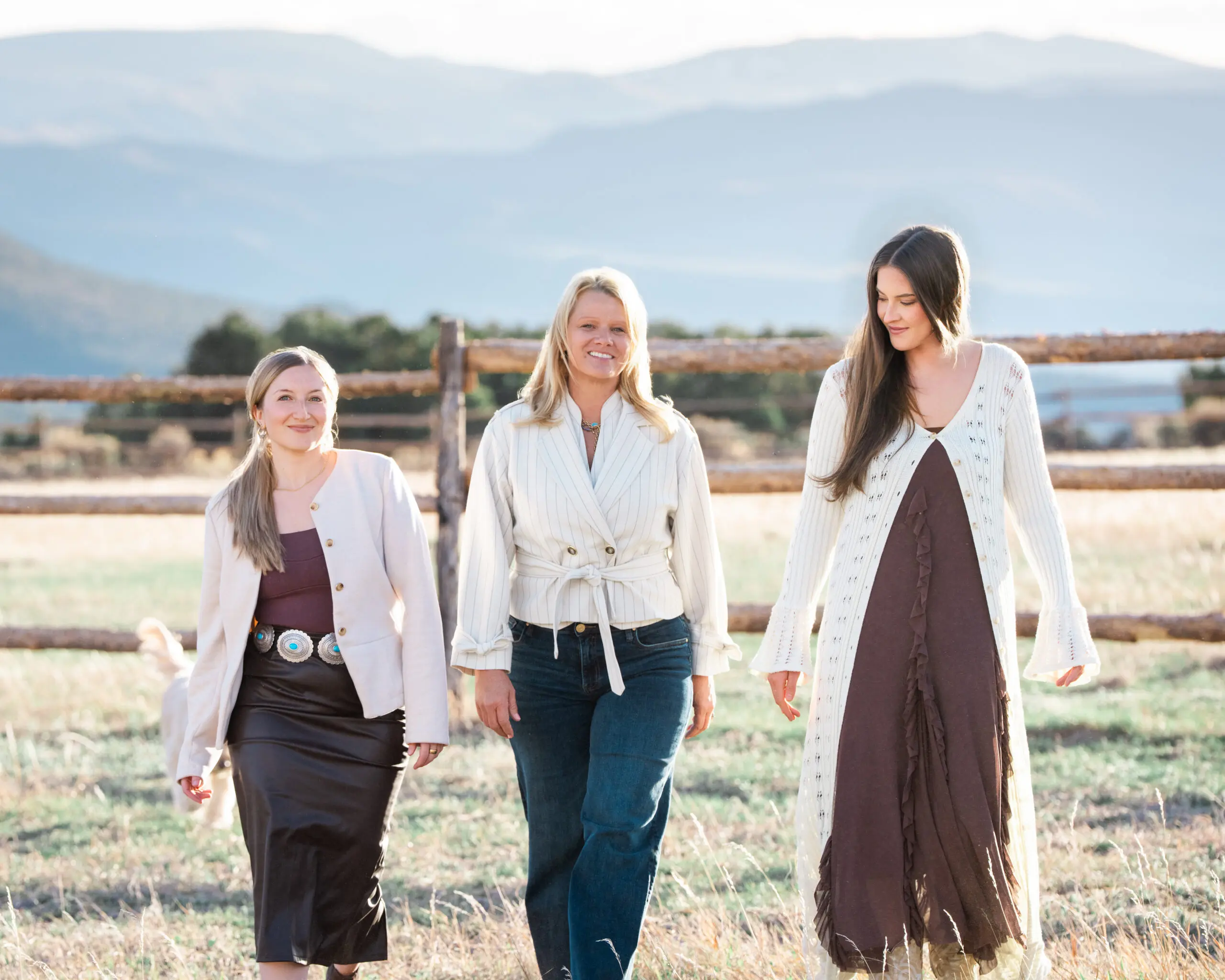
If the team photograph is outdoors, schedule it around the agenda and the most workable light rather than assuming any open ten-minute window will look the same. Build in time for the group to walk to the location and settle into place. A nearby backup is useful when the mountain weather or venue schedule changes.
Give Simple Wardrobe Guidance
The goal is consistency without making everyone look identical. Guidance can identify the expected level of formality, the company’s preferred visual tone, and colors or patterns that may conflict with the background or brand. It should also explain whether the same clothing needs to work for individual headshots and the full-team photograph.
Keep the instructions short enough that people will use them. If selected executives need a second look for environmental portraits, state that clearly and provide a place to store the additional clothing.
Build the Portrait Block Around the Retreat Schedule
The schedule should account for the number of people, the setup, the walk to the location, and small delays between appointments. One practical approach is to photograph individuals during a transition or open block, then bring the entire team together once for the group image.
Use a named list and a point person from the company. That person can confirm who has been photographed, locate anyone who is missing, and keep the production team from interrupting a session or executive meeting. If interview filming is also planned, coordinate the lists so the same people are not pulled from the retreat multiple times unnecessarily.
A Little Coaching Changes the Experience
Most people step in front of the camera without knowing exactly what to do, and they feel that uncertainty. When the situation allows, I like to get to know the person and provide a little coaching on how to stand or pose. Even if they do not use every suggestion, they feel more comfortable because they have learned something. That conversation builds trust and raises their confidence.
Even 30 to 60 seconds of direction can help someone relax. The coaching should match the individual and what the company wants the portrait to communicate—power, confidence, approachability, or a different quality. A repeatable setup keeps the gallery consistent, while the direction keeps the people from looking interchangeable.
Confirm Delivery and Usage Before the Retreat
Decide how the photographs will be organized and who should receive them. A company may want individual files named by employee, a leadership subset, team photographs, and a smaller selection prepared for communications or press use. Confirm the crops, file types, and any retouching expectations that matter to the final use.
The client’s communications or legal team should also confirm its release and usage process. That keeps the photo schedule focused on production while the company retains control over who participates and where the photographs may appear.
For coverage of the full retreat—not only the portrait block—see corporate retreat photography in Aspen. Our broader Aspen event photography services can also combine candid event coverage with planned headshots and team photographs. If the retreat includes recorded executive messages, use the corporate interview filming guide to coordinate sound, lighting, and schedules before the event.
When the portrait plan is clear, a retreat can produce a useful library of people-focused assets without turning the gathering into a separate photo day.


