

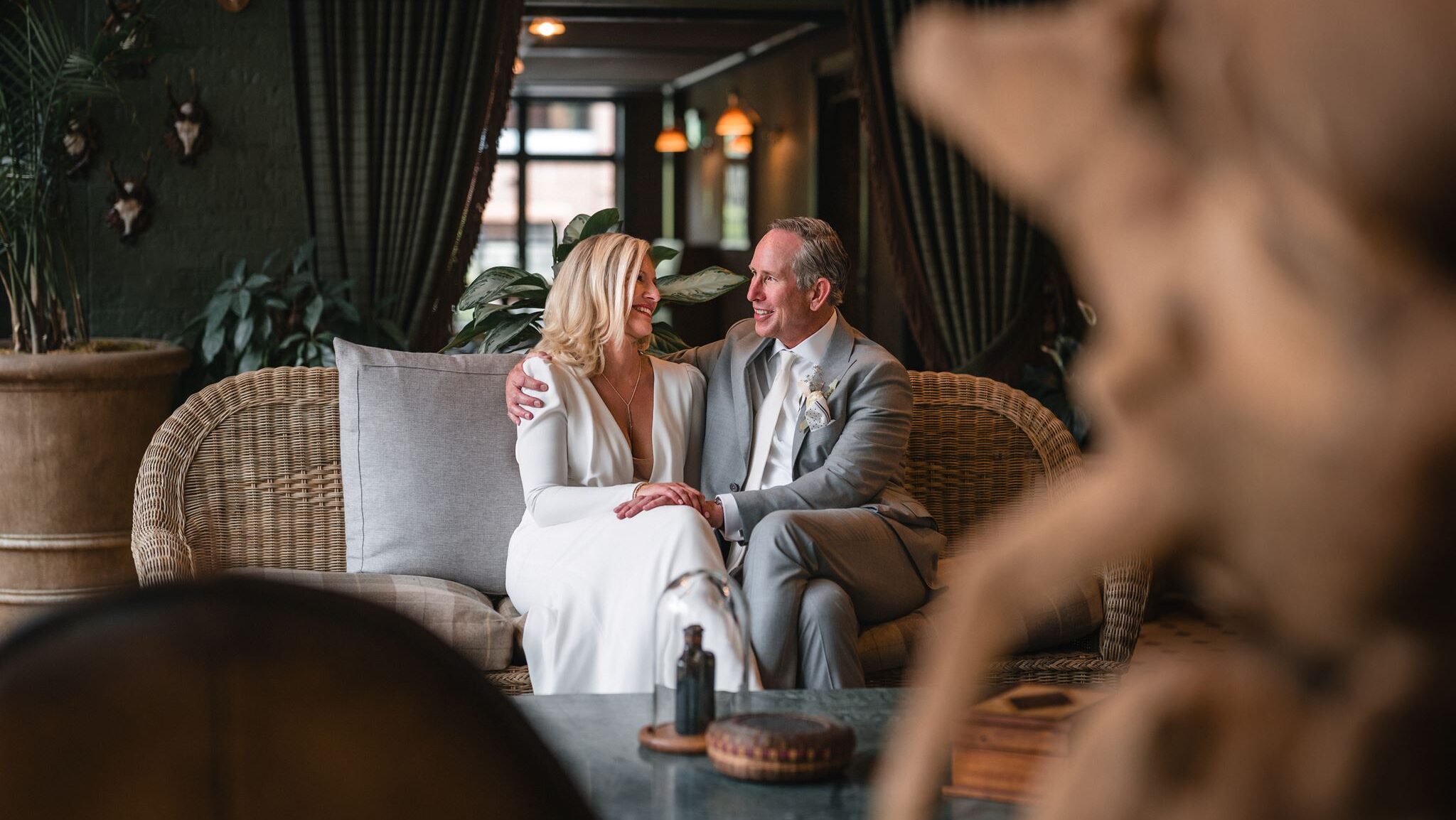
Most properties open the conversation with an Aspen hotel photographer and videographer by sending a room list. But that is usually the wrong place to start. A hospitality library sells the experience of staying somewhere, not the square footage. So the brief and the schedule end up mattering more than the shot count does.
What an Aspen hotel photographer and videographer needs from the brief
The first question is where each asset lives. Website hero, booking channel listing, paid social, sales deck, or a full brand refresh. Each of those wants a different crop, a different level of polish, and sometimes a different day.
Then the second question is room types rather than room numbers. Four well chosen categories beat fourteen near identical ones. Rooms in the same tier photograph almost the same, so the extra hours rarely earn their cost.
Then split the list into permanent and seasonal. Architecture, room categories, and interior detail hold for years. Exteriors, patio scenes, and lifestyle content age quickly. An Aspen hotel photographer and videographer plans the shoot days around that split, and how a commercial production schedule comes together follows the same logic.
Guest rooms and public spaces in hotel photography
The hardest part of hotel photography is a genuinely clear room. That surprises people. But a working property has housekeeping, engineering, turndown, and guests all moving through the same doors, and everyone has a job to finish.
So the request is small and specific. We need five or ten minutes with one room clear and the door held. Once it is clear, the frames take two or three minutes. The cost sits in coordination, not in shooting.
That coordination works best with one named person per space. Somebody who can hold a door, radio housekeeping, and keep the hallway quiet during a take. During a busy week that person works harder than the Aspen hotel photographer and videographer does.
Also, small things matter inside the frame. Televisions off. Blinds set to one position. Linens pulled tight and amenity clutter cleared. Mirrors deserve a second look, since they collect crew reflections that nobody notices until the edit.
Then window views deserve their own planning. In Aspen the view often is the product, and bright snow outside will blow out against a lit interior. Early morning and dusk balance far better, especially with room lighting on.
Public spaces work on traffic patterns instead. Lobbies quiet down before the checkout rush and again during the mid afternoon lull. Those two windows do most of the work.
Food, beverage, and service moments in a working hotel
Kitchen timing sets this section, not light. Plated food has a short life, so we shoot at the pass rather than after a walk through the dining room. Drinks come first, because ice does not wait either.
Chef availability is a real constraint. Chefs stay busiest exactly when the dining room looks best, so a food block usually lands before service or between services.
Then there are the people. A genuine smile from a team member communicates more about a property than any styled frame does. Those images make a place feel like somewhere the staff enjoys working, and guests read that immediately.
Finally, service moments during live service are worth a short block. Keep it brief, keep it consented, and stay out of the flow.
What an Aspen hotel photographer and videographer does with lifestyle talent
Lifestyle coverage is where the guest experience becomes visible. So the talent decision matters early. Real guests, hired talent, and staff each carry tradeoffs around consent, availability, and how natural the result looks.
Wardrobe should read like an actual guest rather than a catalogue. In Aspen that usually means ski gear that has seen use and outerwear that matches the season on the ground, not the season in the brief.
Lifestyle setups also deliver motion efficiently. One setup produces stills and clips together when the plan accounts for both. An Aspen event videographer working the same property will recognize most of these setups from event coverage.
Guest privacy and occupancy aware scheduling in Aspen hotels
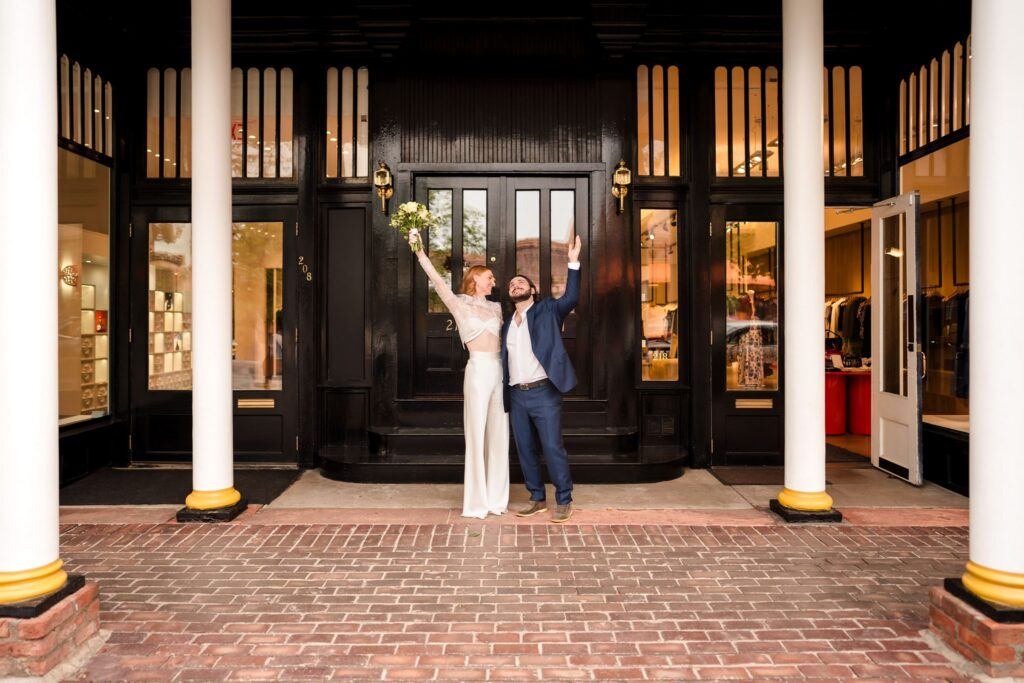
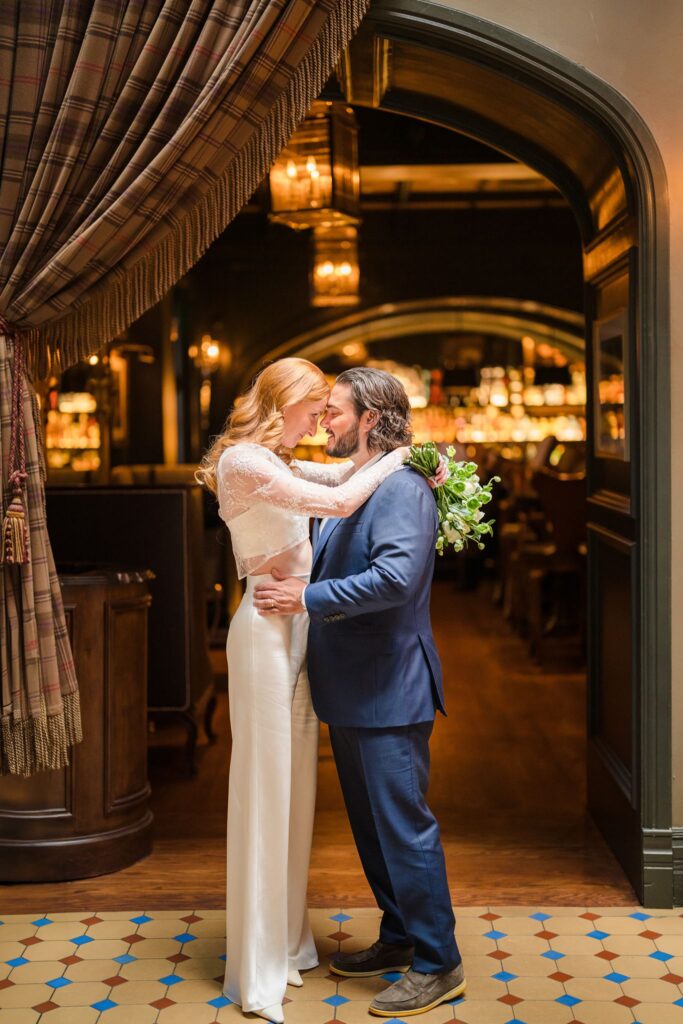
Recognizable guests need a release, and signage at the entry handles the rest. Many Aspen guests will decline, and some will ask a crew to stop. Discretion is part of the product here, so an Aspen hotel photographer and videographer should never plan around fixing it later in post.
But occupancy creates the real scheduling tension. Interiors want an empty property. Exteriors and lifestyle want a property that looks full and in season. Those are different weeks.
Shoulder season, roughly May and late October, empties the rooms and also turns the valley brown. So interiors fit naturally into those windows, while exteriors and lifestyle belong in winter or high summer. Most hospitality libraries come together across two or three visits rather than one.
Event calendars follow the same logic. Our Aspen event photography guide covers how those weeks fill, and live event coverage on property often shares a crew with a content day.
Seasonal refreshes for hotel photo and video
Exteriors date fastest. Snow line, foliage, patio furniture, umbrellas, new signage, a finished renovation. Any one of those makes last year’s hero image look stale.
So two exterior sets a year cover most properties. One in winter, one in late summer. A refresh day runs short, often half a day, and it targets only what changed. So an Aspen hotel photographer and videographer usually returns twice a year rather than once.
Published season dates from Aspen Snowmass and the event calendar at the Aspen Chamber Resort Association are useful planning references. The busiest weeks photograph best and book worst, which is the whole tension.
Hero assets and short form video from the same setups
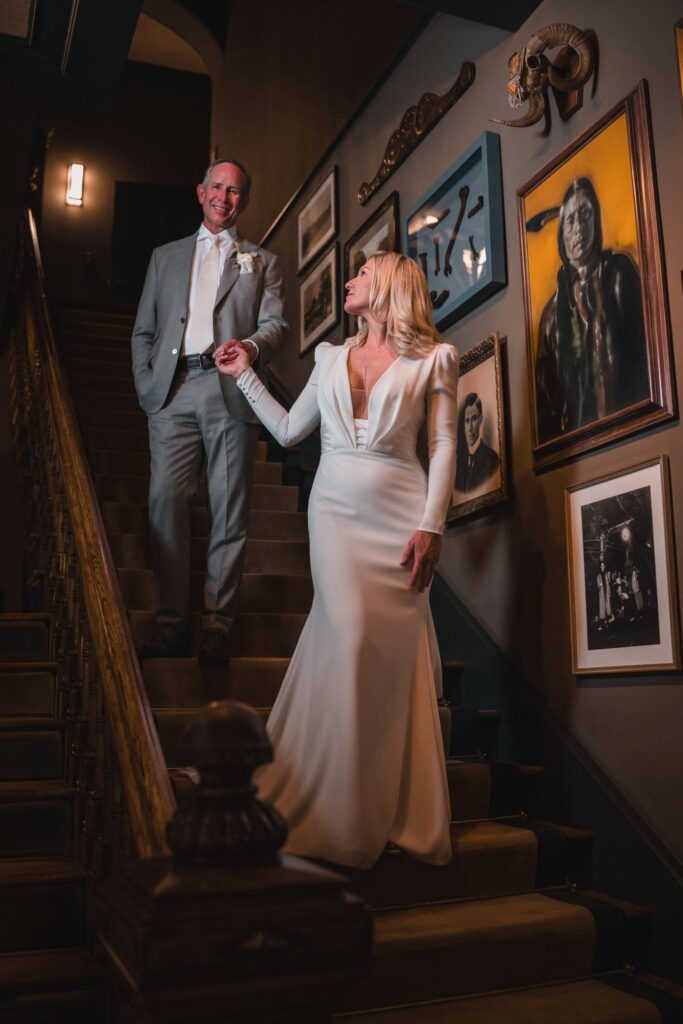
Vertical is not a crop. It needs its own framing decision at the setup, which costs seconds when planned and a reshoot when not. So the ratio list belongs in the brief.
Volume expectations should stay honest too. Two days with an Aspen hotel photographer and videographer covering rooms, food, and lifestyle produces a solid core library. It does not produce a year of daily social content, and no single shoot does.
Questions about hiring an Aspen hotel photographer and videographer
How long does a full hospitality shoot take?
Two days covers rooms, public spaces, food, and a lifestyle block for most properties. Larger resorts usually run three.
Do rooms need to come out of inventory?
Usually only for a short window. Still, holding one room from the night before makes the morning far easier.
Can you shoot during high occupancy?
Yes, though interiors get harder and coordination grows. Lifestyle coverage actually gets easier, since the property looks alive.
Do guests need to sign anything?
Recognizable guests do. Signage at the entry plus a simple release form handles almost every situation.
Can photo and video happen on the same day?
Yes, and usually they should. Shared setups save hours and keep the look consistent across both.
Good hospitality coverage rarely looks difficult afterward. Mostly that means somebody on property spent the day holding doors.


