

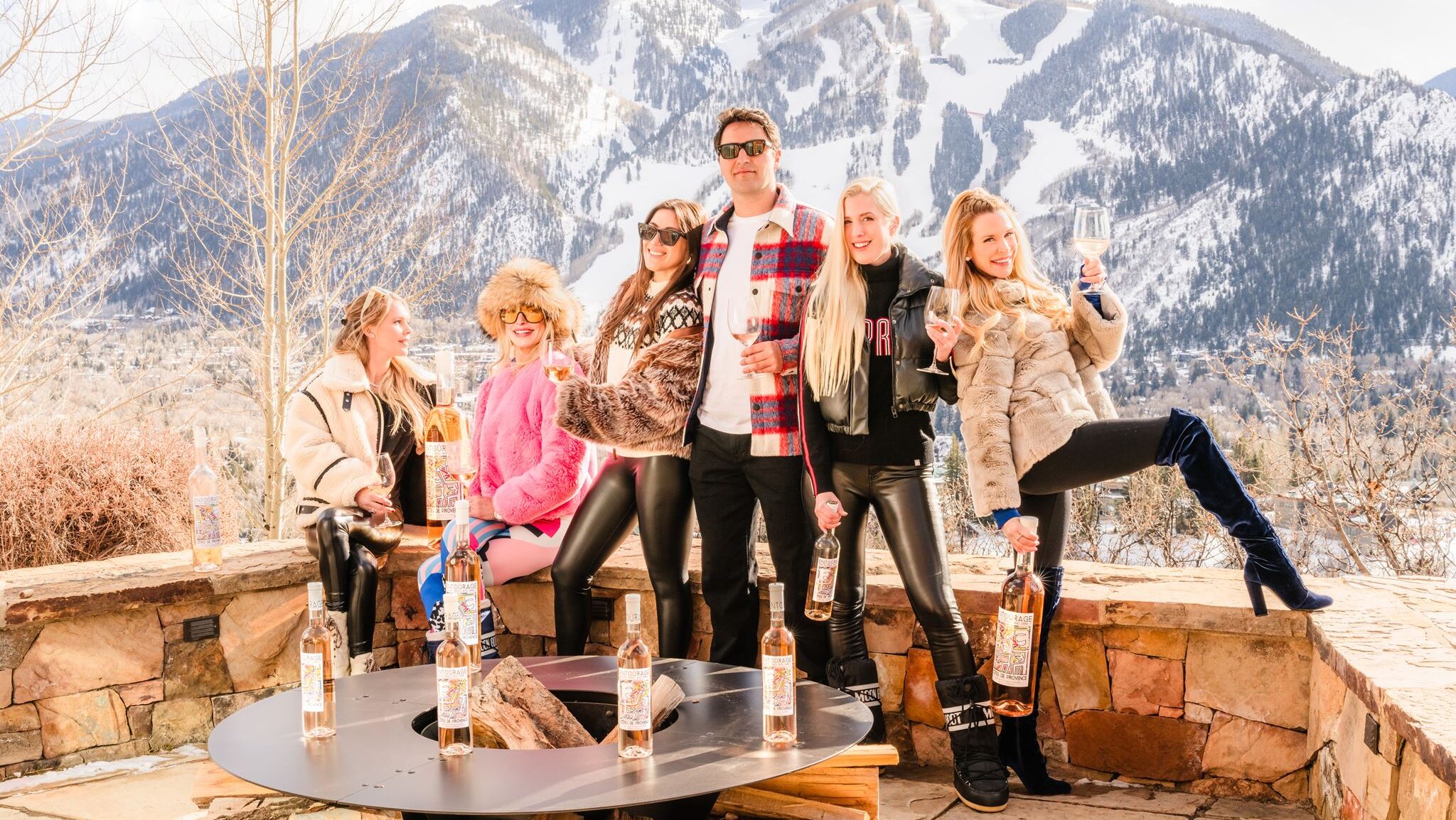
An Aspen winter commercial shoot has one variable that outranks every other, and it is the weather. Forecasts still help. They shape call times, the order of locations, and which day stays open in reserve. But mountain weather here does what it wants. Planning gets a crew close. Patience and a little luck usually cover the rest.

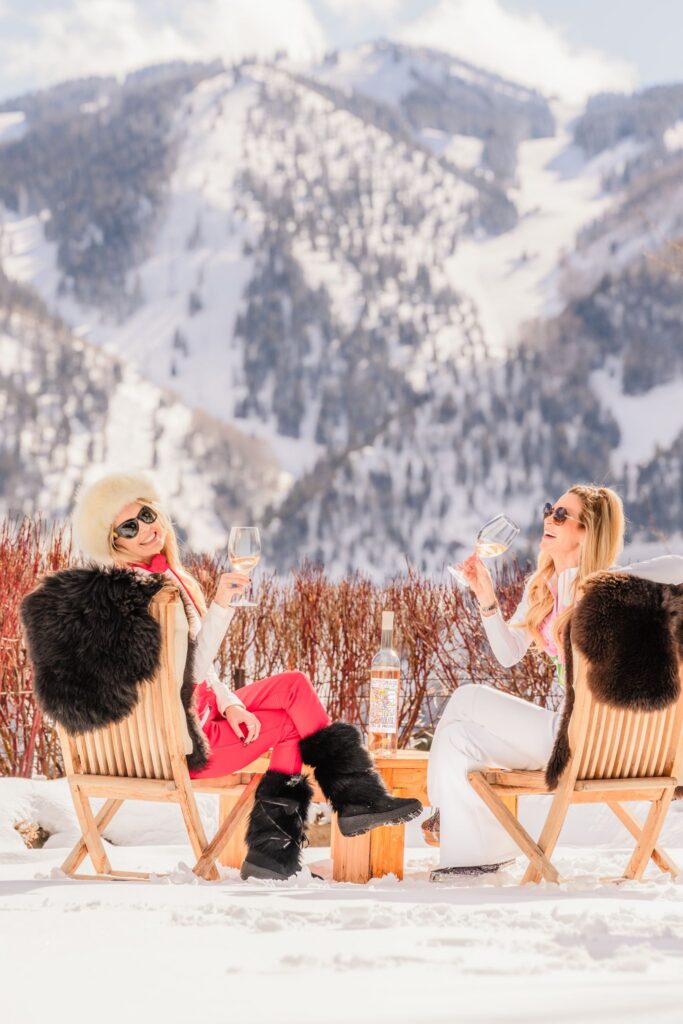
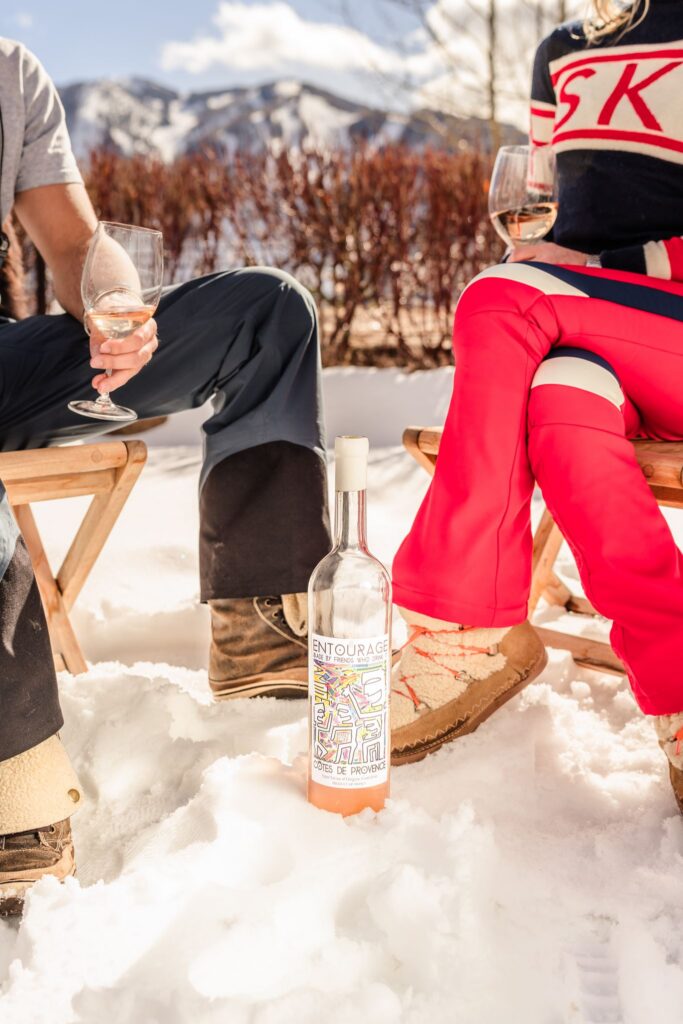

Why an Aspen winter commercial shoot runs differently
A summer shoot in the valley has margin. Long days, dry ground, predictable access. An Aspen winter commercial shoot loses most of that margin at once.
Daylight shrinks. Snow records every footprint. Cold sets a limit on how long talent can hold anything. And roads and lifts decide when a crew actually reaches the location.
So a day that reads as eight hours on the call sheet is often three hours of usable hero light wrapped in five hours of moving people and gear. Most of our brand and commercial production here happens between December and March, and the same constraints repeat.
Finished winter campaigns look effortless. But very few of them were. Behind most of them sits a crew that changed the plan twice before lunch, and a client who let them.
Daylight and weather on a winter shoot in Aspen
Ridgelines take the sun before the clock does. In late December the valley floor drops into shade while the peaks above still hold warm light. That gap shapes how we schedule an Aspen winter commercial shoot.
So we build the shot list in order of light rather than order of convenience. Hero frames go first. Frames that survive flat light move to the back of the day.
Light quality follows its own logic in winter. Slightly overcast skies often produce the best conditions of the whole trip. Soft, open, and forgiving on faces. Those windows stay unpredictable though, and sometimes you simply get lucky.
But heavy overcast is a different problem. Sky and snow collapse into one tone, and a wide landscape frame goes flat. Instead of forcing the wide composition, we shoot tighter and add off camera light. The subject then carries the frame and the sky stops mattering.
Sun position varies enormously by site. Our notes on commercial photo shoot locations in Aspen cover how ridgeline shade behaves at specific places. For daily conditions we check Aspen Snowmass and the National Weather Service office in Grand Junction.
Talent and wardrobe on a winter shoot
Cold shortens takes before anything else does. Hands go first, then expressions. Ten to fifteen minute outdoor blocks with a warm vehicle nearby produce far more usable material than one long push.
Also, hair and makeup drift outdoors. Wind, static, red noses, watering eyes. So touch up time belongs on the schedule as a real line item rather than as slack.
Wardrobe carries the continuity risk. If the brief calls for a light jacket at twelve degrees, the talent needs heat between takes rather than during them. Snow melts on shoulders, and wet fabric photographs differently than dry fabric. Once a jacket is wet it stays wet for the day. So we shoot the clean version first.
Finally, product needs the same thinking. Anything moving from a warm vehicle into cold air collects condensation. Goggles fog. Metal frosts. Give products the same acclimation time you give cameras.
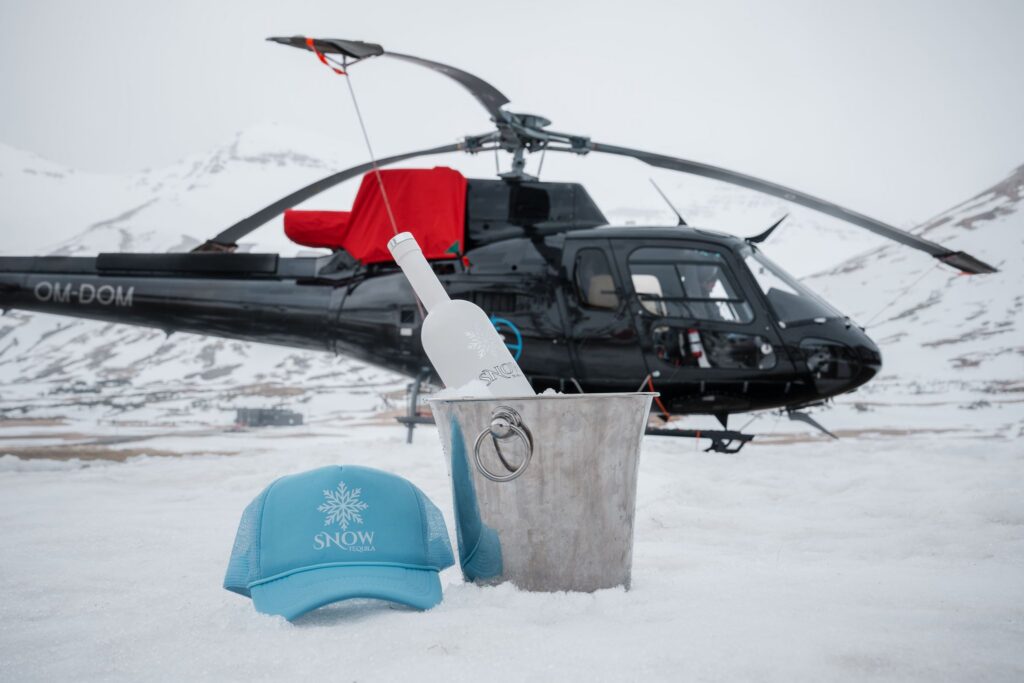
Gear and batteries on an Aspen winter commercial shoot
Batteries decide more about an Aspen winter commercial shoot than lens choice does. Plan two to three times the usual count and keep spares in an inner pocket. A cold battery often reads dead and revives once warm, so nobody should discard them mid day.
Condensation runs the opposite direction to what most crews expect. Cold gear moving into a warm room is the risk, not the reverse. So bag the camera before walking inside, then let it come up to temperature sealed.
Tripod feet sink in soft snow. Snow baskets help, and a scrap of closed cell foam under the legs helps more. Liner gloves keep fingers on the controls without losing a frame to numb hands.
Moving gear across snow is its own decision. A sled pulls better than any cart on a groomed surface. If aerial coverage sits in the brief, cold cuts flight times sharply and ridge wind does the rest. Our notes on Aspen drone videography cover the airspace side of that.
Mountain access and getting a crew onto snow
Anything shot on mountain has to ride a lift or a snowcat. That single fact sets the gear list before anyone debates lenses.
Crew ability matters just as much. An assistant who cannot ski becomes a scheduling problem the moment a shot moves above the base area. So we plan on mountain days around who can actually move. The way we work during ski photography sessions carries over directly, and a ski film day runs on the same constraints.
Then roads decide the rest. Independence Pass closes for roughly half the year, so anything east of town arrives the long way. CDOT road conditions are worth checking the night before, and winter delays into the local airport argue for flying crew in a day early. Our Aspen production support notes cover the wider crew side of tha.
Backup scenarios for an Aspen winter commercial shoot
Every winter production needs an indoor set built before anyone needs it. A hotel suite, a lodge interior, a restaurant before service.
An indoor backup should not be a smaller version of the outdoor plan. It should cover frames the campaign genuinely needs anyway. Then a lost weather window costs coverage rather than the shot list.
So shoot out of order without hesitation. If the sky opens for twenty minutes, everything else waits. Crews that hold to a printed schedule in winter tend to lose the frame they came for.
Finally, a hold day costs less than a reshoot. On a multi day Aspen winter commercial shoot, one reserve day usually saves the campaign at least once.
Questions about winter commercial production in Aspen
What is the best month for a winter shoot here?
January and February give the most reliable snow cover. March offers longer light and warmer talent conditions, though coverage varies by aspect and elevation.
How many shoot days should we budget?
Two production days plus one weather hold is the honest minimum for an Aspen winter commercial shoot with outdoor hero frames.
Can you shoot on the ski mountain?
Yes, with resort coordination. Terrain access, lift timing, and patrol clearance all shape the window.
What happens if there is little snow?
Still, coverage varies wildly by aspect. North facing terrain and groomed runs hold snow long after low elevation ground goes bare.
How cold is too cold for talent?
Wind matters more than temperature. Ten degrees with no wind works fine. Twenty five degrees with wind on an exposed ridge does not.
None of this is complicated. It just needs settling before the first call sheet goes out, and a crew willing to change the plan when the sky does.


