

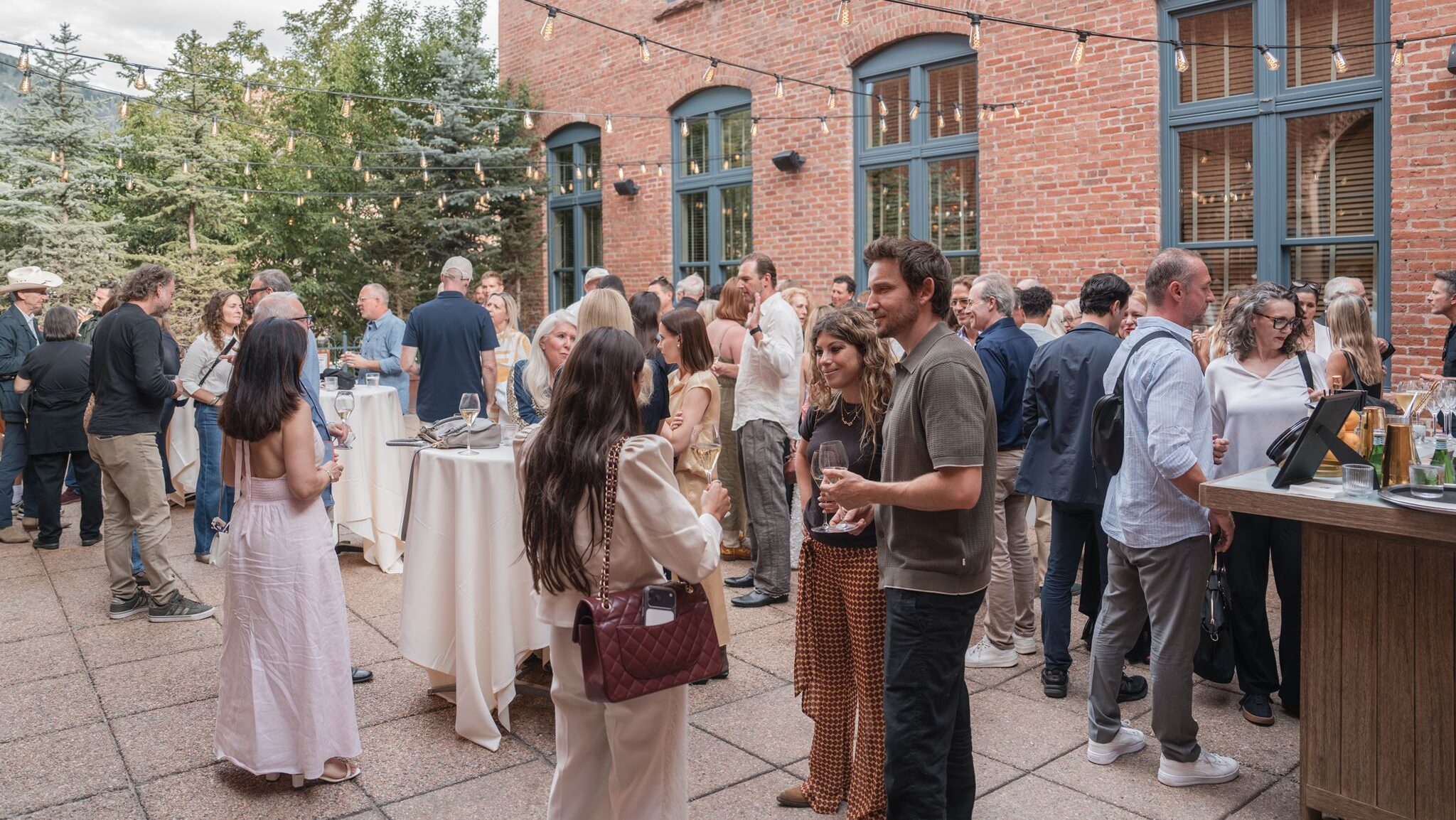
Aspen production support usually gets added to a budget late, after the creative is locked and the flights are booked. On paper that order makes sense. In practice, the local crew ends up absorbing everything the schedule did not account for. Travel time, venue access, weather windows, and dead cell zones all arrive on shoot day. They arrive hardest for teams seeing the valley for the first time.
When Aspen production support is worth adding
Not every campaign needs it. A two person team shooting stills at one hotel can usually manage alone. But once a shoot involves multiple locations, a talent call time, and a remote client, the margin gets thin.
Most agencies bring us in for one of three reasons. Some need capacity, because the crew is small and the shot list is not. Others need continuity across a multi day activation. That pattern shows up constantly in corporate retreat coverage. The useful frames often come from day three, not day one. And plenty simply want someone who has already worked the venue and knows which door the gear actually fits through. Our commercial production work is built around that third case more than the first two.
How Aspen production support divides responsibilities
The visiting team owns the creative. That does not change. The agency producer runs the client relationship, approves frames, and keeps the day on brief. The local side handles execution and the parts of the day that a map does not show.
In practice the split looks like this. The agency brings the brief, the shot list, talent, wardrobe, and final approval. The local crew brings gear, additional shooters, venue relationships, permit history, and route knowledge. Sometimes we shoot everything. Other times we run second camera while the agency DP handles the hero setups. Our film work gets scoped both ways, depending on what the agency already has in the air. Both arrangements work, as long as the roles get named before anyone lands.
Problems show up when the split stays vague. If nobody owns audio, nobody brings the lav kit. So we write the division down during preproduction instead of discovering it at seven in the morning.
Preproduction calls and shared shot lists
One call, roughly a week out, saves more time than any piece of equipment. We go through the shot list line by line. Then we mark which frames depend on light, which depend on weather, and which can move anywhere. Scope gets settled on the same call. Choosing between video and photography for a given setup changes crew size, so it should not wait. Aspen production support really starts here rather than on shoot day.
That last category matters more here than it does in a city. When a storm builds over the ridge at two in the afternoon, you need shots that ignore the sky. Interiors, product detail, and talent close ups all become useful currency in that moment.
Shared documents also beat email threads. A live shot list, a call sheet with honest drive times, and one contact number per location. We flag the places with no cell service too, because that changes how check ins get scheduled. If the deliverable is motion, an Aspen event videographer who knows the room already saves a full setup.
Aspen production support and mountain town logistics
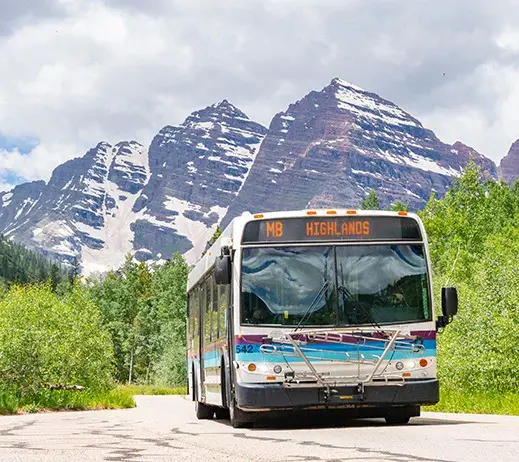
Travel time is the single most underestimated part of shooting here. A location fifteen miles away is not fifteen minutes away. In July, Highway 82 through Basalt can hold a van for half an hour with no warning at all. Winter adds snow removal, chain law days, and a different set of delays. Local knowledge is genuinely the only fix. Sometimes the answer is leaving forty minutes earlier. Other times it is taking a completely different route. The same math governs shuttle timing across the valley. Hotel dispersion turns a short distance into a long window.
Cell coverage is the other one. Producers assume a town this well known has service everywhere, and it does not. Independence Pass drops out. Stretches of Castle Creek and Maroon Creek go quiet. Ashcroft is unreliable on a good day. So we check in with the client before we lose signal, not after. That single habit prevents most of the conversations that begin with a client asking why nobody has updated them. Road conditions are worth checking each morning through CDOT, and the City of Aspen posts parking and right of way information that changes seasonally.
Parking and load in also run tighter than most people expect. The core has limited commercial spaces, and several venues route crews through service entrances with narrow delivery windows. Aspen production support is mostly this. Knowing the small things that quietly consume a shoot day before anyone notices. Brand activations and hospitality events run on the same constraints. So our event coverage gets planned around drive times and access, not a tidy hourly schedule.
Redundant capture and organized file handoff
Redundancy stops being optional once a shoot costs a plane ticket. Cameras record to dual cards where the body allows it. Audio gets a backup recorder. And every card gets offloaded to two drives before the crew leaves the location, not that night at the hotel.
File handoff is where otherwise strong shoots fall apart. Folders arrive named after camera bodies. Selects get mixed in with everything else. So we deliver in a structure an agency editor can open cold. Files run by day, then by location, then by setup. Selects and audio each get their own folder. Proxies come with the video when the post team wants them.
We also hand over the context that only a local crew has. Which frames belong to which venue. Which vendor appears in which shot. Which release covers which person. That information disappears fast once everyone flies home and the project moves to the next market. Recap edits depend on the same context. An event highlight video falls apart when the editor cannot tell which day a clip came from.
Aspen production support questions agencies ask
How far ahead should we book a local crew?
Four to six weeks is comfortable. Peak weeks in July, December, and March fill earlier, and permits need lead time. Short notice is workable, though it narrows which locations stay available.
Can your crew work under our agency DP?
Yes, and that is a common arrangement. We run second camera, handle lighting, or cover a parallel location while the DP stays on the hero setups.
Do you carry insurance and handle permits?
We carry commercial general liability and can issue certificates naming a venue or property. Permit filing runs through us when the location requires one.
How fast can we get files after the shoot?
Raw files and organized folders go out within twenty four hours. A small select set can land the same night when the campaign needs it.
The argument for Aspen production support is not that a local crew shoots better. It is that a local crew already knows what tends to go sideways. Most of what we bring is unglamorous. Drive times that are real. A venue contact who answers the phone. A backup location eight minutes away, already scouted, for the afternoon the light quits early.


