

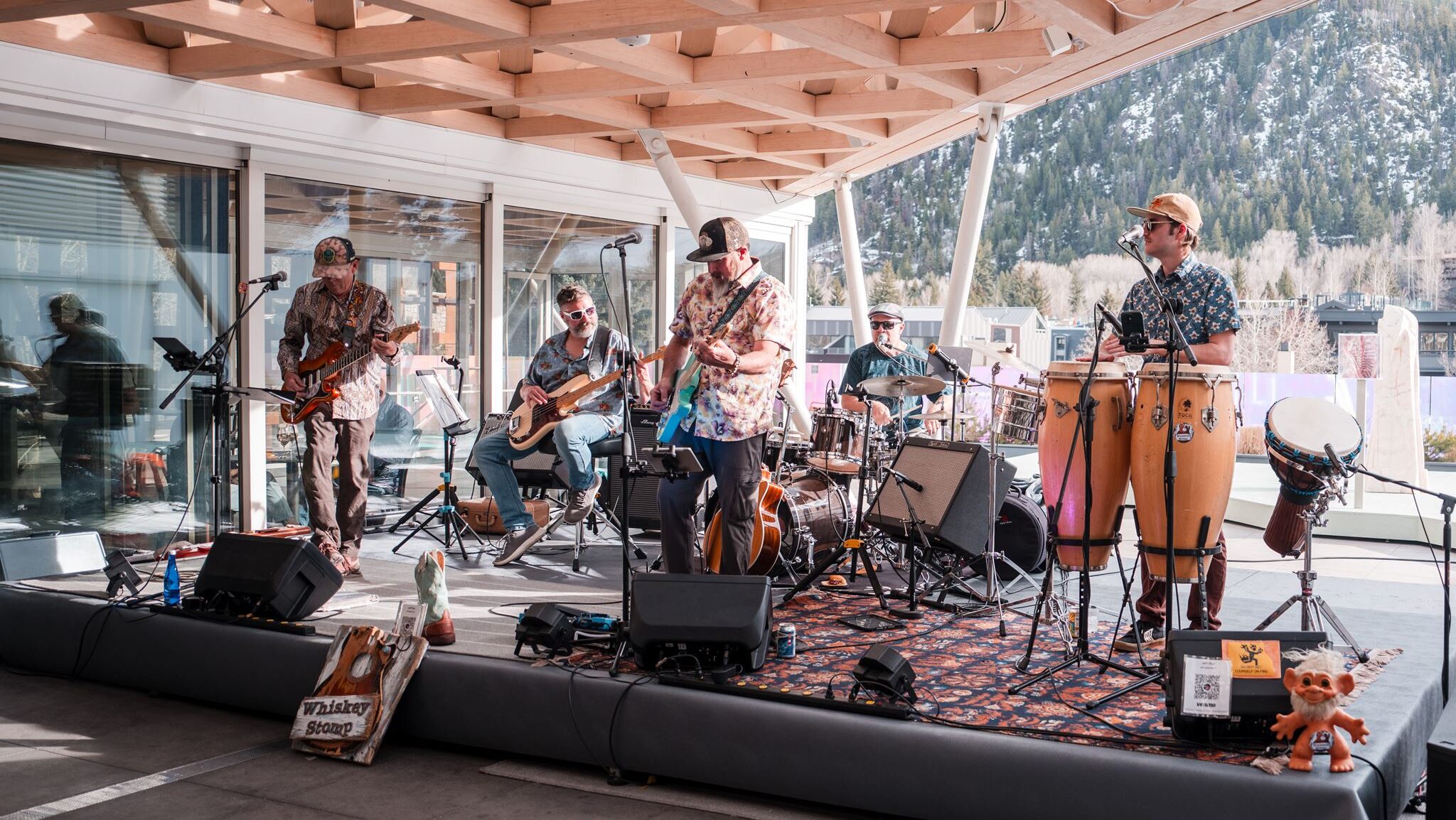
An Aspen art event photographer works in a room where the artwork matters more than the photography. Coverage has to reflect that. Art events also carry a specific kind of pressure. The room fills within twenty minutes. The artist moves in four directions at once. And the sponsor wall only looks clean before doors open. There are very few second chances.
What an Aspen art event photographer documents
The list is longer than most people assume. Coverage usually breaks into five layers, and each one has its own window.
First, the work itself, installed and lit as intended. Second, the empty room before doors, which is the only chance at clean establishing frames. Third, the guests, artists, and collectors once the space fills. Fourth, sponsor placement and signage. Finally, the moments that carry the evening forward: remarks, an auction, a sale, an artist walking someone through a piece.
Those five layers are the same structure behind most event coverage in Aspen. Art events just compress the windows. Those windows do not overlap much. Installation and establishing shots happen before the room exists as an event. So an Aspen art event photographer usually arrives well ahead of the invitation time, often by ninety minutes.
How an Aspen art event photographer handles artwork color
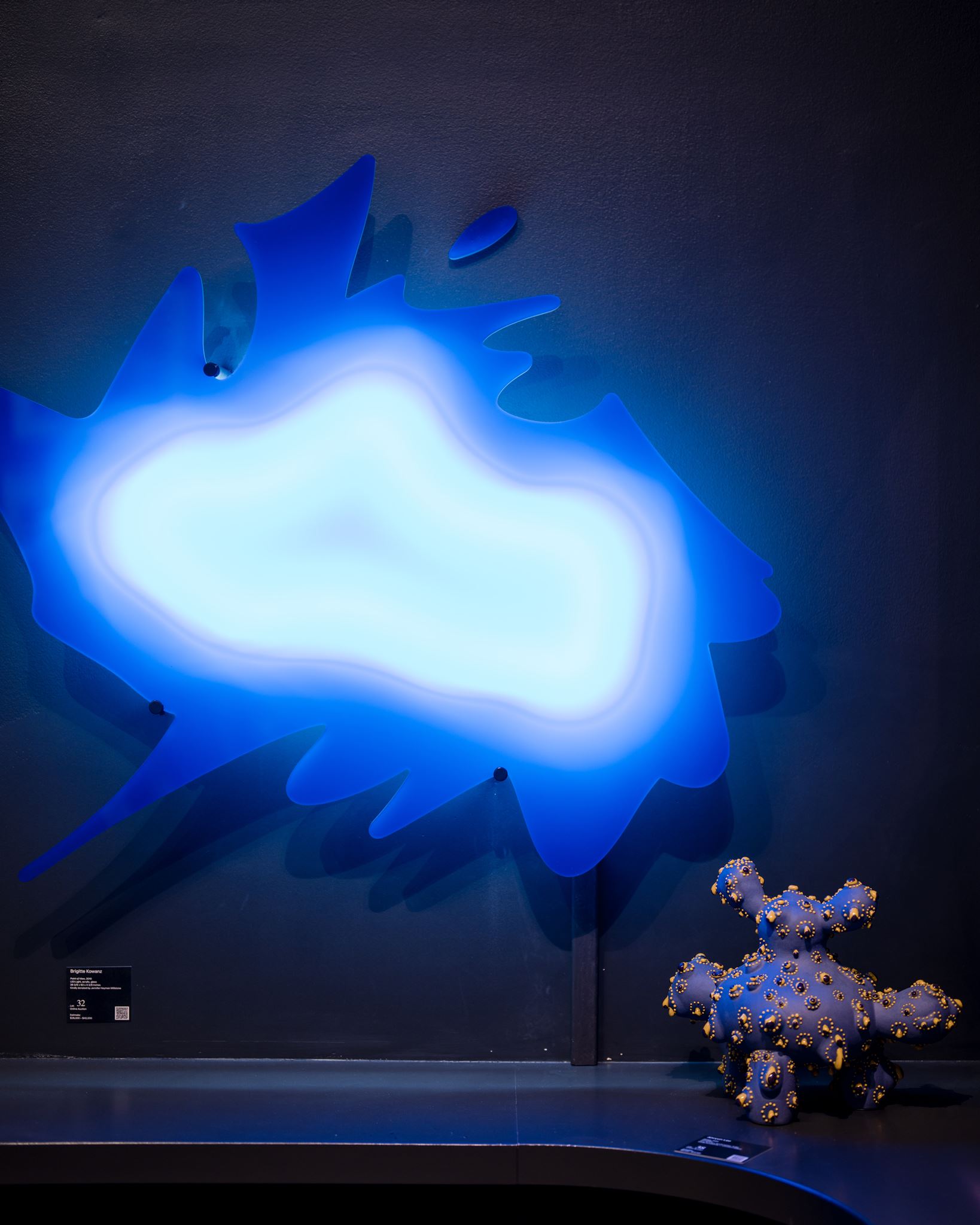
Accurate color is the hardest technical part of this work, and it is the part clients notice later. Gallery lighting is rarely one thing. Track halogen sits next to LED panels. Daylight arrives through skylights at whatever temperature the sky is doing.
In a mountain town that sky changes quickly. Light in a Main Street gallery at five o’clock is not the light at six thirty. Clouds move across the valley and the interior color temperature moves with them. So we set custom white balance by zone rather than trusting one setting for the whole room. A reference card gets shot in each area before doors. At one July opening this year, the same lens on the same wall moved from ISO 320 to ISO 10,000 inside seventy five minutes. Nothing in the room changed. The sky did.
December runs the other direction. Daylight is gone before five, so the room settles and the gallery lighting takes over completely.
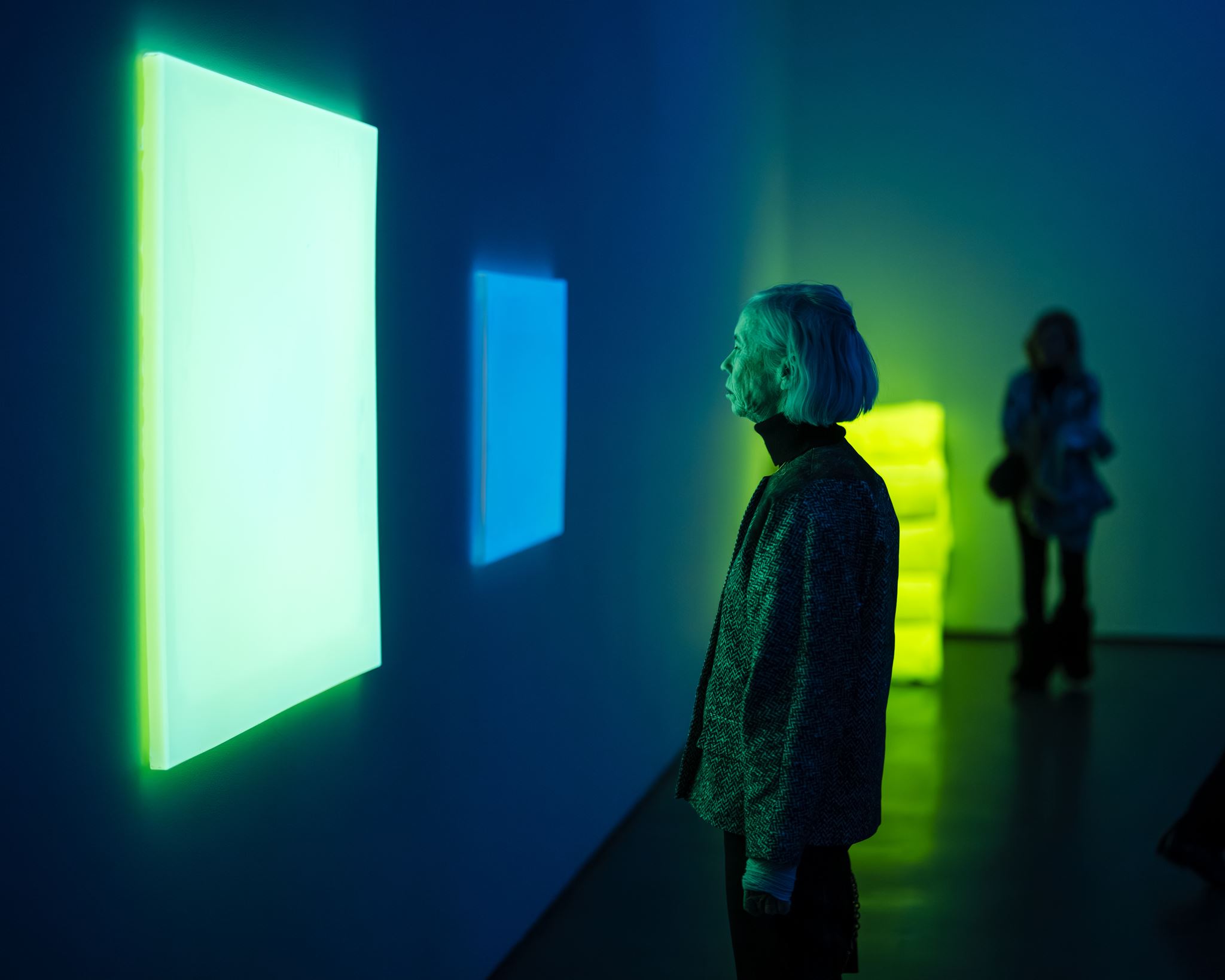
Then the editing pass matters just as much. Every frame gets normalized so one artist’s work does not read warmer than the piece hanging four feet away. Galleries and artists use these files for catalogs, submissions, and press. Inconsistent grading undermines all of that. Framed and glazed work needs attention too, since a straight on angle turns glass into a mirror. Slight angle changes and a polarizer solve most of it. We also shoot the wall label with the piece, which saves hours of guessing during file delivery.
Guest and collector coverage without interrupting the room
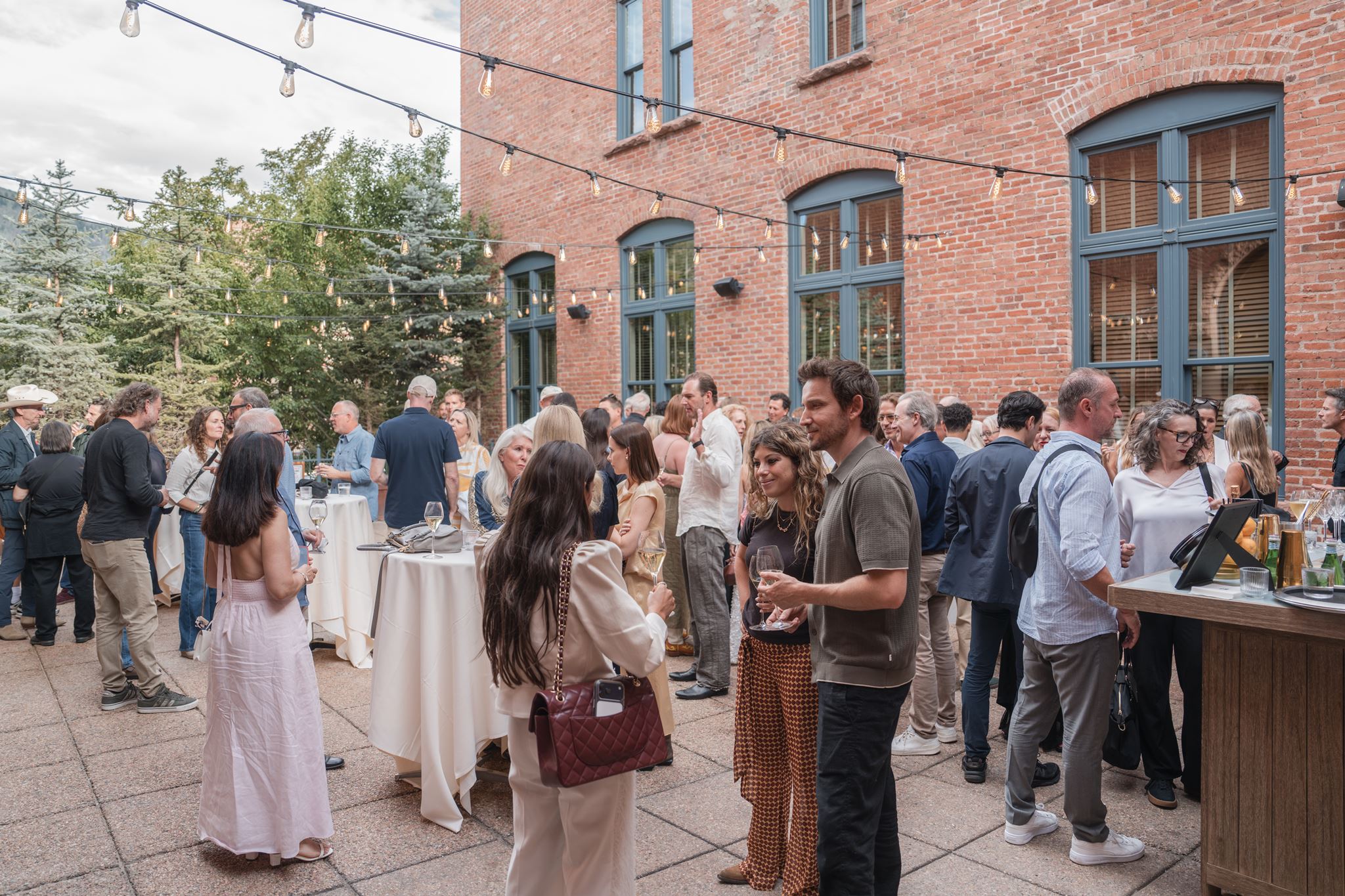
Art events vary more than any other event category we cover. Some hosts want the photographer nearly invisible, working long lenses from the edges and never breaking a conversation. Others want guests to feel attended to, because being photographed is part of the experience they paid for. Both are valid. But nobody should be guessing which one it is at seven o’clock.
We ask before doors open. That single question changes lens choice, distance, and how often we step into a group.
Guests at Aspen art events also arrive with high expectations of the photography, partly because many of them collect it. Flash near artwork is often restricted, and it flattens the room anyway. So fast lenses and higher ISO do most of the work. A spotter helps enormously. Board members, the honoree, major donors, and visiting artists all need flagging in advance. An Aspen art event photographer cannot recognize forty people cold. A printed list with photos is worth more than an extra body on the floor.
VIP preview hours deserve their own plan. The room is quiet and the light still holds. The people who matter most to the host are usually there. Coverage often gets thinner later, when the crowd peaks and everything looks the same. A few hosts also want guests leaving with images that night. That is where instant event photography fits an opening.
Sponsor visibility and installation details
Sponsors need proof, not vibes. That means clean frames of signage, branded bars, activations, and any step and repeat. Shoot them before the room fills, then again with guests in frame. The second version is the one that gets used, though the clean version protects everyone if placement gets questioned later.
Installation coverage is worth building into the schedule when the work is site specific. Load in, hanging, lighting adjustments, and final placement all tell a story that disappears the moment the show opens. Nonprofits and fairs use that material for annual reports and grant documentation. Our branded event photography work follows the same logic. Larger civic spaces like the Paul Jas Center also reward an early walkthrough, since the light behaves differently in each room.
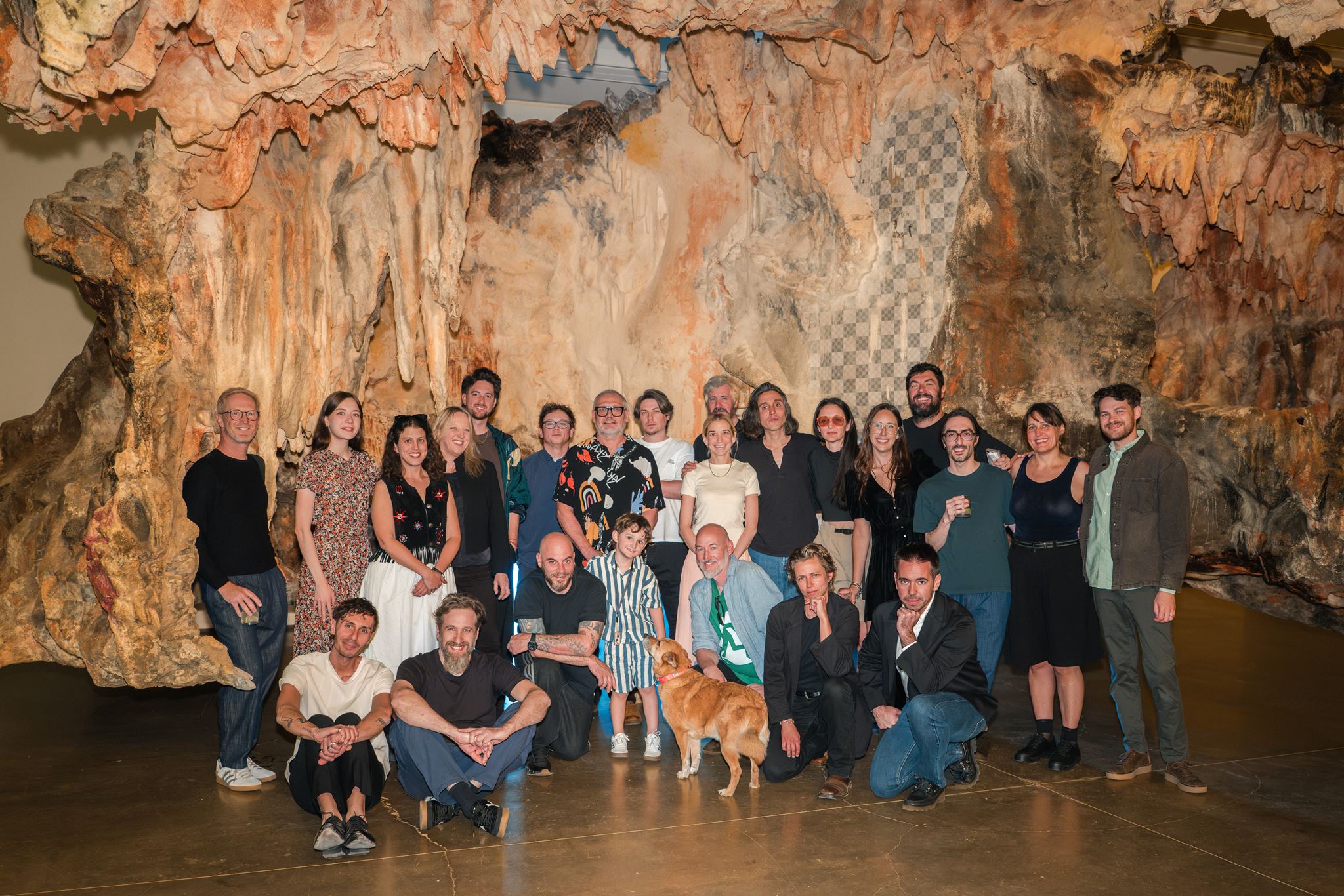
Deliverables an Aspen art event photographer should hand over
Turnaround expectations run faster here than in the wedding world. A small preview set, ten to twenty frames, should reach the host that night or the next morning. Galleries post while the event is still live in people’s memory. The full gallery typically follows within a week.
File organization should match how the client actually uses the work. We separate artwork, room and installation, guests, sponsors, and program moments into their own folders. Names get attached where we have them. Some hosts want physical output the same night too. On site printing and framing works better at openings than at most events, since the audience already thinks in prints.
Video is increasingly part of the ask. A ninety second recap of the room, the work, and guest interactions serves social and sponsors at once. Longer interview cuts work for nonprofits and fairs, though those need planning and a quiet corner. The structure of an event highlight video matters more than its length. When motion is in scope, an Aspen event videographer on the same call time keeps both crews out of frame. Our event photography services page walks through the same layers at a larger scale.
Questions clients ask an Aspen art event photographer
Can you photograph without flash?
Yes, and most art venues prefer it. Fast primes at wide apertures handle gallery lighting, and higher ISO carries the rest of the evening.
How soon can we post images?
A preview set of ten to twenty frames goes out that night or the next morning. Full galleries follow within a week.
Do you need a list of VIPs in advance?
It helps more than almost anything else. Names, roles, and a photo where possible. Otherwise a staff spotter should walk the room with us.
Can you cover a preview hour and the main event?
Yes. Previews are usually the strongest hour of the night, since the room is quiet and the light still holds.
Aspen’s art calendar is denser than its size suggests. Institutions like the Aspen Art Museum and Anderson Ranch Arts Center anchor the season. Summer benefits, winter openings, and plenty in between. Coverage that respects the work usually earns the second invitation.


