

Choosing commercial photo shoot locations Aspen productions can actually use is a feasibility question before it is a creative one. Plenty of places here photograph beautifully and still fail on shoot day. Access closes seasonally. Permits take weeks. Drone ceilings sit lower than most crews expect. And the sun does something specific behind a ridge that no scouting photo will warn you about.
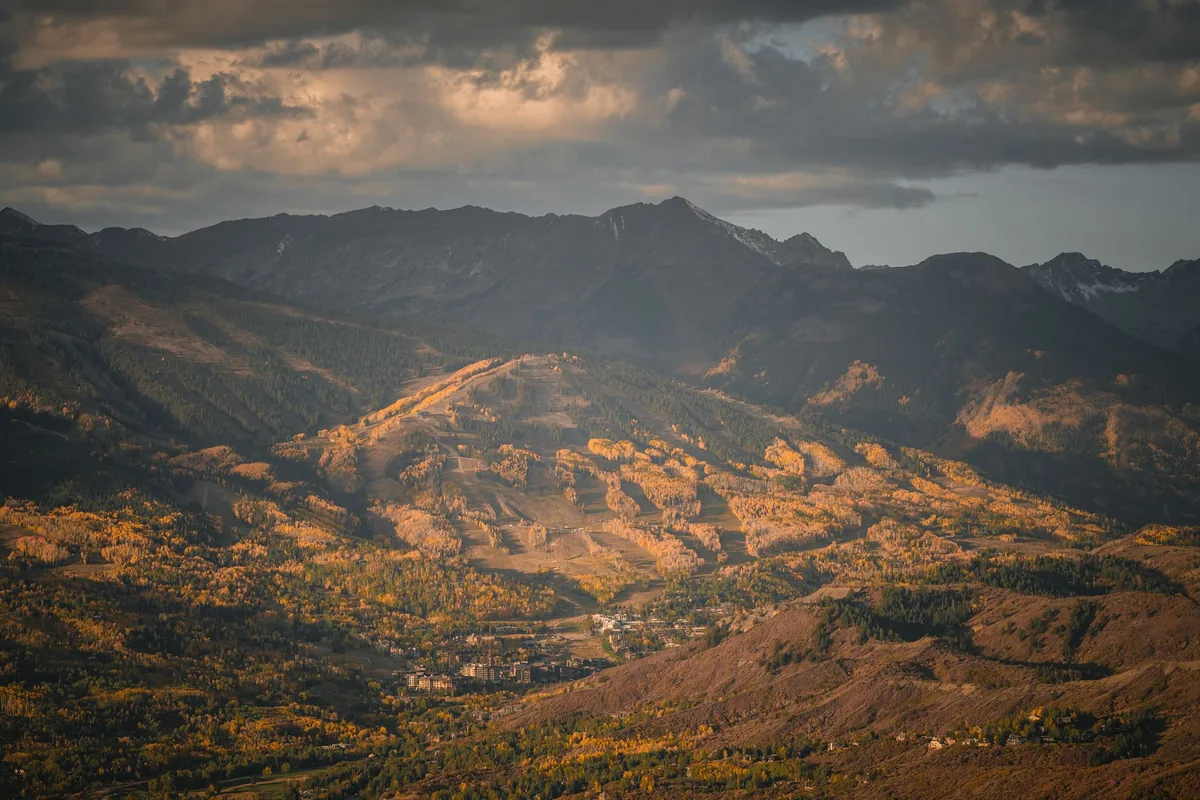
Start with the brief, then the location
Location lists built before the brief tend to collapse. So we start with what the campaign actually needs to show. Product in hand or product in landscape. Talent in motion or talent still. Interior warmth or alpine scale. Motion briefs narrow it further, since film work needs room for movement and somewhere to put a camera.
Those answers narrow the map quickly. A shoot that needs controlled light is a different problem than a shoot that needs a recognizable mountain skyline. Once the brief is clear, the scouting question becomes simple. Which locations deliver the frame, and which ones will let us in.
Commercial photo shoot locations Aspen: public land versus private property
Most of the surrounding terrain is public land managed by the U.S. Forest Service, not by the city. That distinction determines who you ask. Ski terrain sits under permit with the resort operator. Shooting on mountain during operating hours also means working around the public. That shapes how ski photography gets scheduled. Ranch properties, hotels, and restaurants are private, and each has its own approach to commercial use.
Private property is often easier than people assume. A hotel with a quiet shoulder season week may welcome a crew. But it needs a location release, a certificate of insurance, and usually a fee. Public land is the opposite. The scenery is free and the paperwork is not.
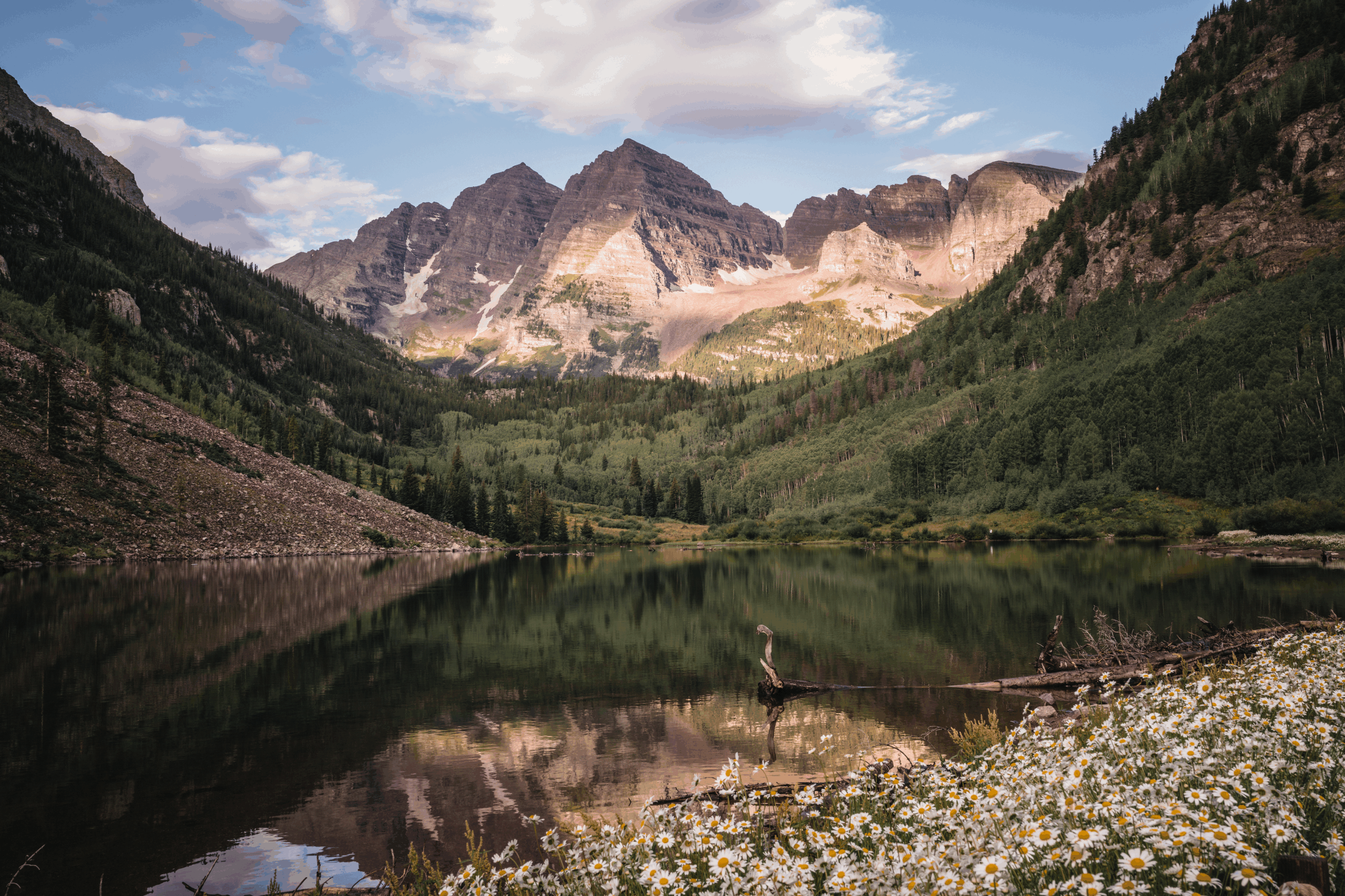
Maroon Bells is the example everyone brings up. A small crew shooting without professional lighting equipment can work there like any other visitor. But the vehicle reservation system still applies through Recreation.gov during the managed season. Bring lighting, grip, or a full production footprint and the White River National Forest requires a commercial permit. That timeline is measured in weeks, not days. Our Maroon Bells page covers how access works for smaller shoots.
Permits, releases, and drone ceilings
Three things need to be settled before a call sheet goes out. Location permission, talent and property releases, and airspace.
Drone work catches more productions off guard than permits do. Aspen sits in controlled airspace tied to the local airport. Authorized ceilings across parts of the valley run extremely low. Some grids allow only about fifty feet. Others open up considerably a short drive away. So the useful question is not whether we can fly, but where we can fly high enough to matter. Authorization runs through the FAA under Part 107. Knowing which grid a location falls into changes the shot list before anyone drives out.
Motion work carries the same constraint. Corporate video in Aspen gets planned around airspace limits, not the other way round.
Releases deserve the same attention. A frame with a recognizable building, a logo, or a bystander needs paperwork if the work runs as paid media.
How seasons change commercial photo shoot locations Aspen producers pick
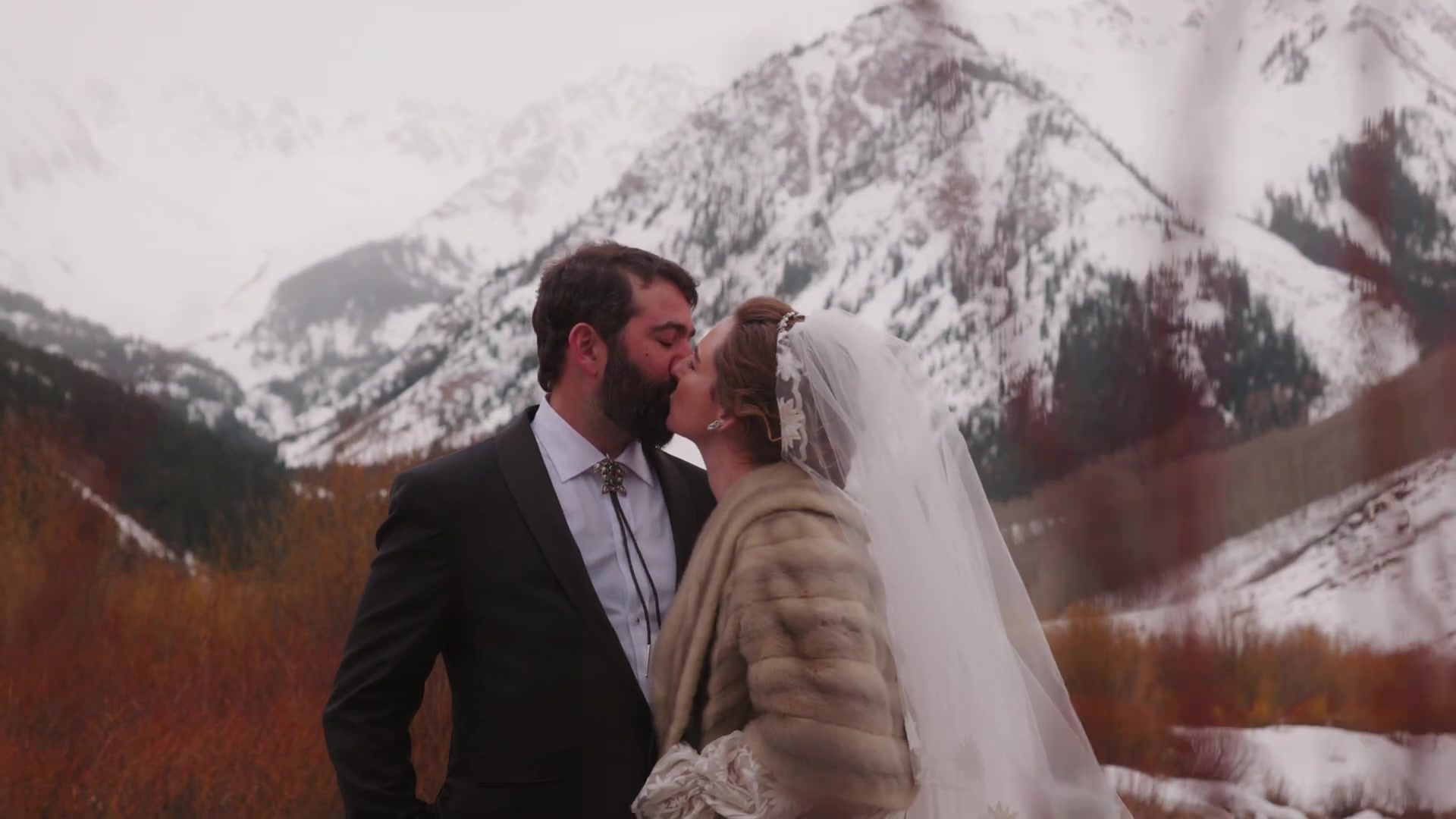
Access here is seasonal in a way that surprises teams from flatter markets. Independence Pass closes for roughly half the year. The road toward Ashcroft becomes a groomed nordic corridor in winter. High trailheads stay under snow into June, and shoulder season brings mud rather than the green everyone pictured.
Sun position is the quieter problem. Ashcroft photographs beautifully in every image online. In person, the valley orientation puts peaks in full sun while the road and ground sit in shade. There is often no middle option. You get bright mountains and a dark foreground, or you wait for a window that may not arrive. Similar things happen along Castle Creek and in Snowmass Village late in the day.
One scouting habit is worth insisting on. Reference frames should be shot at the hour the production is booked for, not whenever the scout happens to fall. A location photographed at eleven tells you almost nothing about four. In steep terrain that gap is the whole decision.
This is where local scouting earns its cost. Shoots regularly get scheduled at times that look fine on a calendar and behave badly on the ground. Knowing which commercial photo shoot locations Aspen crews use at nine in the morning, versus four in the afternoon, changes a schedule. Ridgelines here cut daylight off an hour or more before the published sunset.
Crew logistics at commercial photo shoot locations Aspen productions use
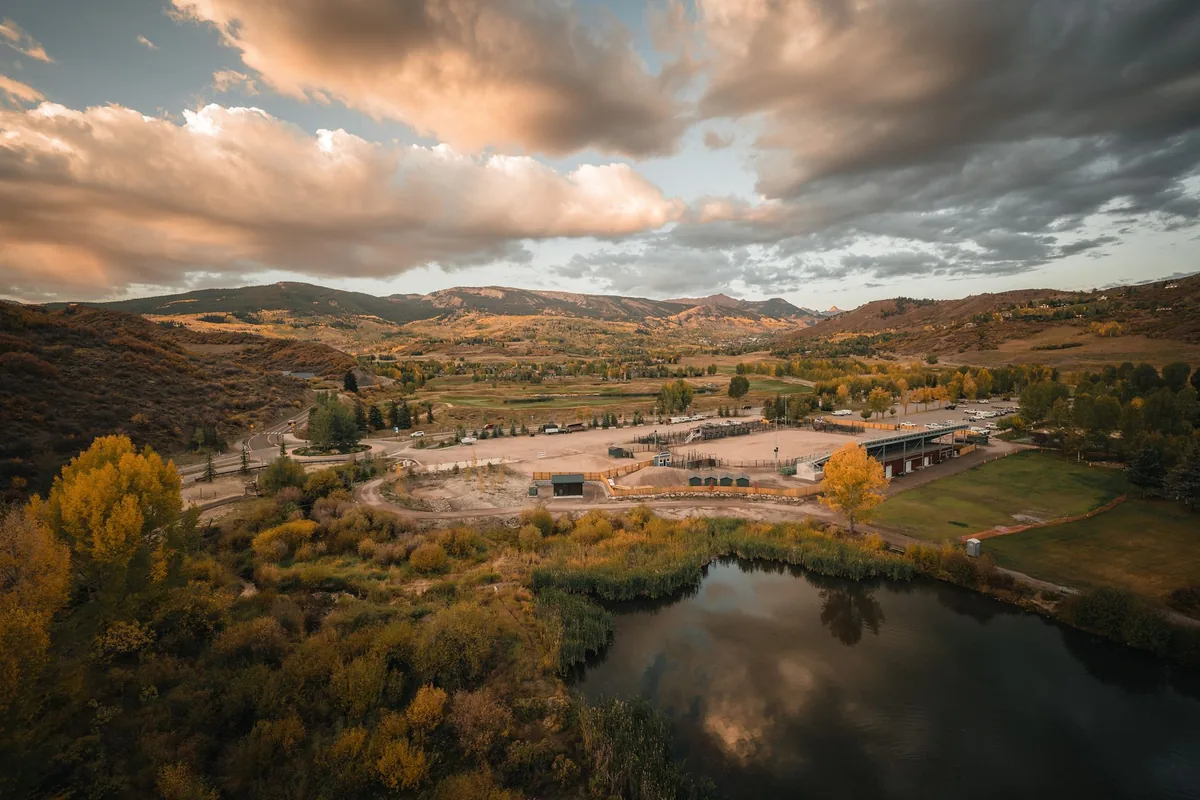
Parking is the first constraint. Downtown has limited commercial loading, and several locations require a shuttle or a short carry from the nearest legal space. Trailheads fill early in summer. So load in gets planned as its own line on the schedule rather than an assumption.
Altitude is the second. Crews arriving from sea level feel it by mid afternoon on day one. Gear feels heavier, setups run slower, and hydration matters more than anyone expects. We build a slightly softer first day when the team is flying in. Our Aspen event photography guide covers similar ground for event work. And an Aspen event videographer planning motion coverage belongs on the scout, not briefed afterward.
Winter adds its own equipment math. Batteries drain faster in cold, snow reflectance fools meters, and gear moving between warm vehicles and open air collects condensation. None of that is difficult. It just needs to be planned for rather than discovered.
Drive times deserve honest numbers. Fifteen miles is not fifteen minutes in July, and winter adds its own delays. The same problem shapes event transportation across the valley, where schedules get built backward from the road.
Backup commercial photo shoot locations Aspen weather makes necessary
Afternoon storms build fast in summer, often between one and four. Winter delivers flat overcast that erases the mountains entirely. So every scout produces a second option within a short drive, ideally with different light exposure or an interior fallback.
Good backups are not lesser versions of the hero location. They solve a different problem. If the primary needs open sky, the backup should not. If the primary faces west, the backup should face somewhere else. We usually flag two or three commercial photo shoot locations Aspen weather can force us into. Access for all of them gets confirmed during preproduction. Our commercial photo and video services page outlines how that scouting fits into a production schedule.
Questions about commercial photo shoot locations Aspen productions ask
Do we need a permit to shoot at Maroon Bells?
A small crew without professional lighting can shoot as visitors, though vehicle reservations still apply. Add lighting or grip and a Forest Service commercial permit is required.
Can we fly a drone in Aspen?
Sometimes, and the ceiling varies sharply by grid. Parts of the valley authorize only about fifty feet. Other areas open up considerably.
What is the best season for a commercial shoot here?
September and early October give the most reliable light and open access. Winter looks strongest but shortens the usable day considerably.
How long does scouting take?
A single day covers three or four locations properly, including drive times. Scouts should happen at the hour the shoot is booked for.
None of this is glamorous work. But a smooth shoot day gets decided weeks earlier. Usually in a permit inbox, and in a conversation about where the shade falls.


