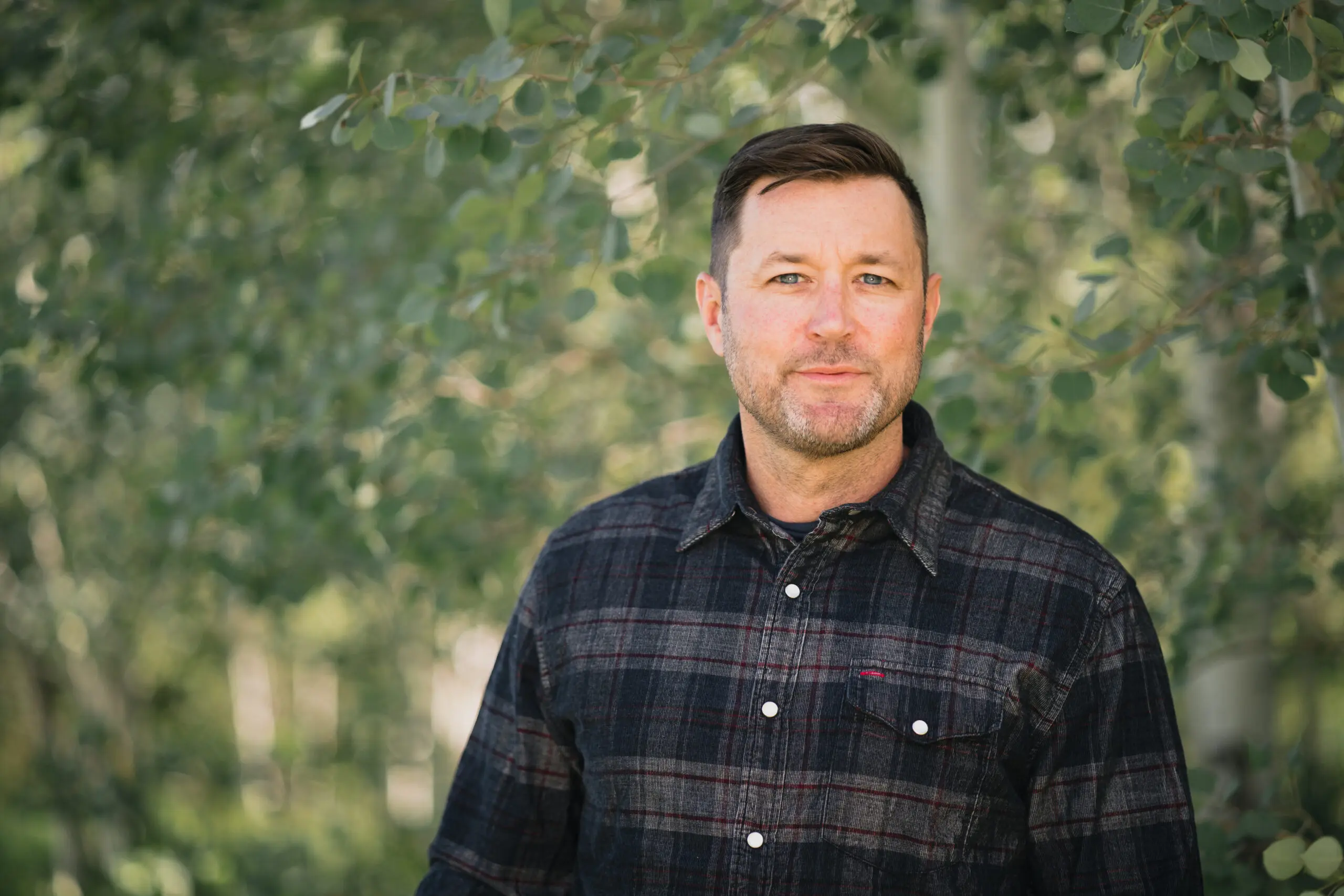
Preparing for a portrait session in Aspen starts with deciding what you want the photographs to do. A professional headshot for a company website, a portrait celebrating a personal milestone, and a photograph for a speaker biography may all need a different setting, expression, and crop. Knowing that before the session makes the rest of the planning easier.
You do not need to arrive knowing how to pose. Your preparation is about sharing what matters to you, choosing a practical setting, and leaving enough space in the day to settle in. The direction in front of the camera is something we work through together.
Start with where the photographs will be used
If the portrait is for work, look at the actual place it will appear. Does your company use close headshots against a simple background? Does a website designer need a horizontal photograph with room for text? Is a conference asking for a square speaker image? Send those requirements before the session instead of hoping one crop will fit everything afterward.
For personal portraits, the starting point can be less technical. You might want a photograph that feels relaxed and outdoors, a more polished portrait, or a record of a particular stage in your life. A few references can help explain that feeling. They are a starting point for conversation, not a list of poses you need to reproduce.
- Tell us the main use: personal, professional, or both.
- Share any required background, crop, orientation, or submission deadline.
- Describe the impression you want to give, such as approachable, confident, thoughtful, or playful.
- Mention anything you are worried about, including being photographed, walking to a location, or fitting the session around work.
Choose a setting that supports the portrait
Aspen and Snowmass can give a portrait a sense of place, but a mountain background is not essential to every photograph. In a close headshot, quiet foliage or a simple background may do more for the image than a distant peak. In a wider environmental portrait, the setting becomes a more visible part of the story.
Think about the practical experience as well as the view. Tell us if you prefer an easy walk, need to stay near your hotel, or want a location that works with dress shoes. Access, permission to photograph, light, and weather should be checked for the chosen place. A spot that works for a relaxed outdoor portrait may be less useful when a company needs a very specific, consistent background.
If you are combining an individual portrait with family photographs, our Aspen and Snowmass family portrait location guide offers a starting point for comparing settings. We can then narrow the choice around the people joining you and the photographs you need.
You do not need to practice a collection of poses
Most people step in front of the camera without knowing exactly how to stand, and that uncertainty can make them tense. When the situation allows, I like to get to know the person and give a little coaching. Even when someone does not use every suggestion, learning something about the process helps build confidence and trust.
For me, preparation matters as much as the moment the photograph is taken. The aim is to create a space where you can ask questions, try something, and say when it does not feel like you. You are not being tested on whether you can perform for a camera.
Direction can be simple: a small change in how you stand, a different angle, or something comfortable to do with your hands. The approach should fit you and the purpose of the portrait. You can tell me if a suggestion feels stiff or unfamiliar; that gives us something useful to adjust.
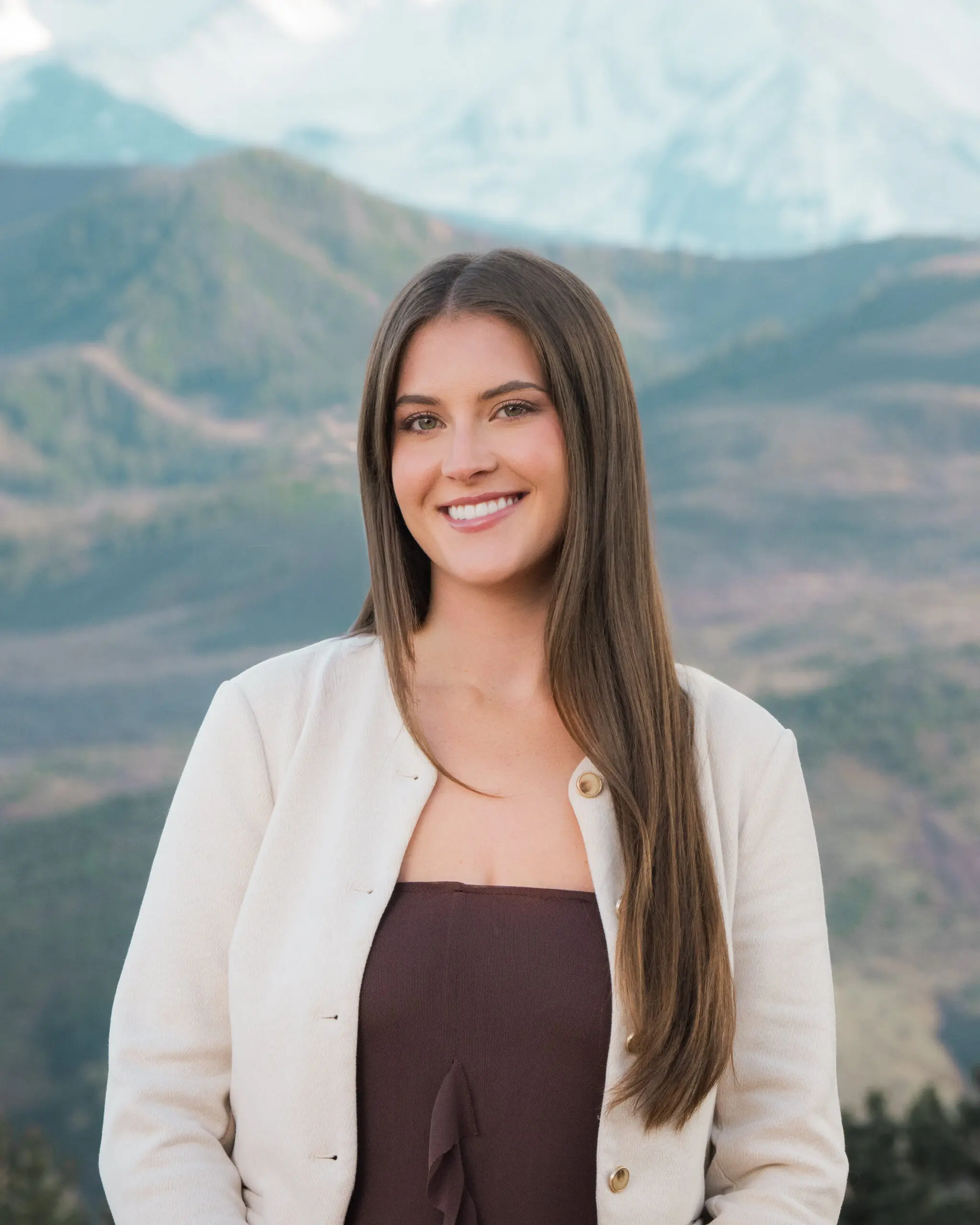
Make the clothing decisions before you arrive
Try on the complete outfit with the shoes and underlayers you plan to wear. Sit down, turn, and lift your arms. If a collar keeps moving, a waistband feels uncomfortable, or a jacket only works when you stand perfectly still, you will probably keep thinking about it during the photographs.
Choose clothes that make sense for the image's intended use. A personal portrait does not need to look like a corporate headshot, and a professional portrait does not always require a suit. Our portrait and headshot clothing guide covers fit, color, patterns, seasonal palettes, and visible brand names.
Leave room around the appointment
A session squeezed between a late arrival and a hard departure can feel rushed before the camera comes out. Plan for the journey, parking, the walk to the meeting point, and any agreed clothing change. Share a firm deadline in advance so the plan can account for it.
For outdoor portraits, bring a layer you can put on between photographs and footwear suited to the walk. Discuss a workable backup if the weather changes. There is no need to choose a more demanding location just because it looks impressive online.
Before the session, also confirm what happens afterward: how selections are handled, which crops you need, the agreed editing scope, and the delivery schedule. These details depend on the project and should be clear before you rely on the images for a deadline.
A simple portrait-session checklist
- Send the intended uses and any layout requirements.
- Agree on the meeting point and tell us about access needs or time constraints.
- Try on the full outfit and pack an appropriate warm layer.
- Bring a small bag for your phone, keys, glasses case, and touch-up items.
- Share your concerns instead of trying to hide them.
- Confirm the selection, editing, and delivery details for your session.
Organizing portraits for several colleagues? The executive retreat headshot guide covers the group schedule, consistency, and team photograph separately.
Explore individual headshot sessions in Aspen or portrait sessions with Summit Photo & Film, browse the portrait planning resources, or tell us what you have in mind. A useful starting message is simply who the photographs are for, when you will be in Aspen or Snowmass, and how you hope to use them.