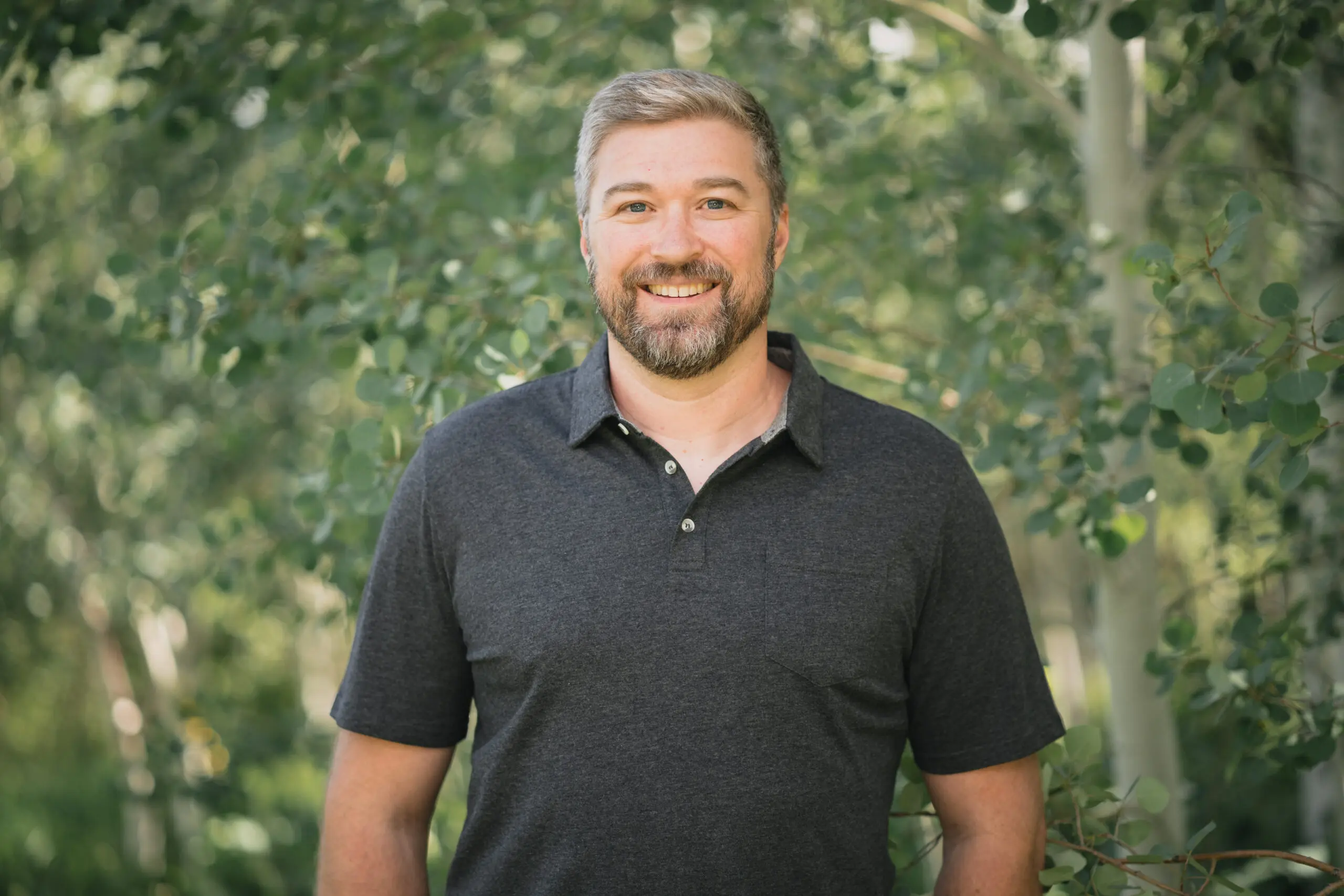
What should you wear for portrait or headshot photos in Aspen? Start with clothes that fit comfortably, suit the way you will use the photograph, and keep attention on your face. A simple top, a jacket that sits well, and a color you enjoy wearing are often a better starting point than buying an unfamiliar outfit just for the session.
This guide is for individual portraits and professional headshot sessions in Aspen. If you are coordinating several people, our separate summer family outfit guide and winter family outfit guide address that broader group palette.
Dress for the photograph's purpose
A headshot should make sense alongside the other places people encounter you. If your work is usually casual, a polished version of your normal clothing may feel more recognizable than a suit. If the photograph will sit beside a formal leadership team, check the company's expectations before choosing your outfit.
For a personal portrait, give yourself more freedom. A favorite sweater, a textured jacket, or a dress that moves comfortably can all work. The question is whether the clothing helps the photograph feel like you.
Decide whether the session needs a close headshot, a wider portrait, or both. Necklines, collars, and shoulders dominate a close crop. Trousers, skirts, shoes, and the way clothes fall when you sit become more noticeable in a wider composition.
Check fit while moving and sitting
Try on the whole outfit in advance. Check that a jacket lies comfortably across your shoulders, a shirt does not pull at the buttons, and the neckline stays where you expect it. Sit down and turn slightly rather than judging the outfit only while standing squarely in a mirror.
Bring pieces that let you move without constant adjustment. Clothing that needs fixing after every small change of position can pull attention away from the conversation and the photograph. A well-fitting knit can look more considered than a formal jacket you do not feel comfortable wearing.
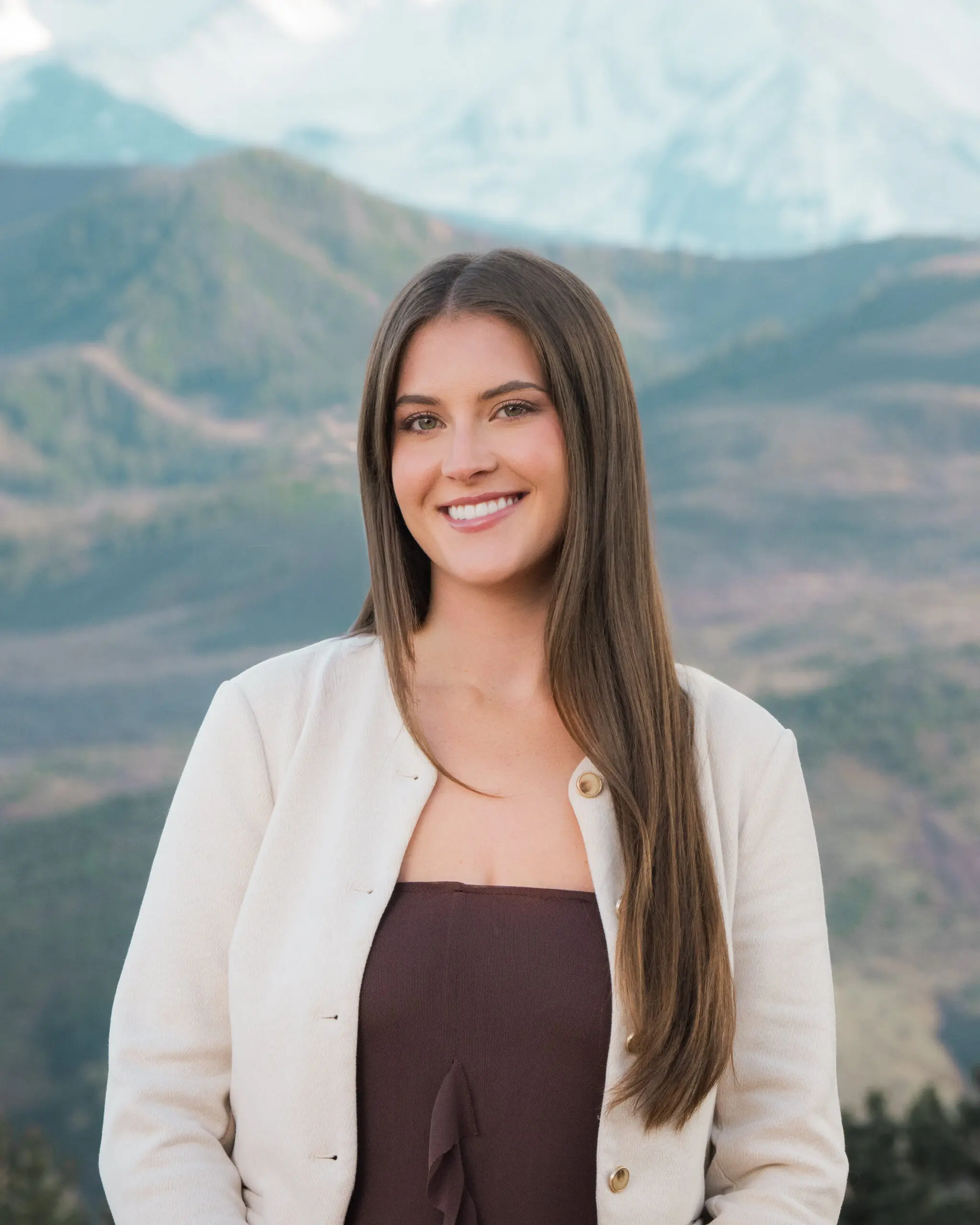
Choose colors in relation to the background
There is no single color that works best for everyone. Start with something you already like near your face, then consider the setting. A dark green shirt may blend into dense foliage; a warm neutral can create more separation. Against a pale snowy background, a deeper blue, burgundy, or charcoal can give the portrait definition.
For a company headshot, consistency with the organization's existing portraits may matter more than the season outside. Ask for the background or visual guidelines first. If you are unsure between two tops, send photographs of the options before the session.
Seasonal color palettes for outdoor portraits
These swatches are optional starting points, not a dress code. Choose one main color and, if useful, one supporting neutral. You do not need to wear every color in the row. The actual light and background matter more than the month on the calendar.
Spring
Try a dusty-blue shirt with a taupe jacket, or sage with an ivory layer.
Summer
Try a cream blouse with stone trousers, or muted blue with charcoal.
Fall
Try oatmeal with chocolate, or a deep-blue knit with an olive jacket.
Winter
Try navy with a camel coat, or burgundy with a soft-gray layer.
In spring, base the outfit on the conditions at your specific location rather than assuming everything will be green. In summer, choose fabrics that stay comfortable while walking and sitting. In fall, quieter colors can balance a background full of yellow leaves. In winter, make the coat part of the outfit instead of depending on being warm enough to remove it.
I usually recommend avoiding visible brand names
I usually prefer clothing without prominent brand names or large logos for portraits. They can pull the eye away from your face and make the photograph feel more about the label than the person. A plain version of a favorite style is often the easiest choice.
There is a useful exception when the portrait is deliberately representing a company, uniform, or personal brand. In that case, an intentional logo may belong in the image. Decide that before the session, and check that its placement works in the final crop.
Patterns are not automatically a problem. A soft plaid or subtle texture can add character. Very fine stripes, tiny checks, or strong competing patterns deserve a closer look because their appearance can change on camera or when an image is resized. If you love a patterned piece, bring a plain alternative so you have a choice.
Plan layers, accessories, and footwear together
A blazer, cardigan, or coat can change the feel of a portrait without a complete outfit change. Check the layers together so collars and sleeves sit comfortably. Keep jewelry or accessories intentional: something meaningful can belong in the portrait, while several shiny pieces may compete for attention.
If you normally wear glasses, tell us and bring them. They are part of how people recognize you. Clean the lenses and let the photographer work with angle and light. There is no reason to decide in advance that you must remove them for every image.
For outdoor sessions, choose walking shoes appropriate to the route. If the shoes you want in the photographs are different, plan an easy change at the location. Empty bulky pockets before the wider portraits and keep your phone and keys in a small bag.
Is a second outfit worth bringing?
A second look is useful when it serves a different purpose: a professional headshot and a more relaxed personal portrait, for example. If both outfits communicate the same thing, a simple layer change may be enough.
Agree on the number of looks and a practical place to change before the session. Bringing a large collection of untried outfits can turn the appointment into a wardrobe decision. Narrow the options at home so the time together is spent making photographs.
Pack a few useful finishing touches
- The complete outfit, including the shoes and underlayers you tried on.
- A warm layer suitable for the setting.
- Any agreed alternative top or jacket, kept as crease-free as practical.
- A lint roller, hairbrush, and the small touch-up items you normally use.
- A glasses cloth and a bag for anything you want out of your pockets.
You do not have to solve every detail alone. Our guide to preparing for a portrait session in Aspen explains how planning, conversation, and simple direction fit together. For a company group, use the executive retreat headshot planning guide.
Explore individual headshot sessions, see the Summit portrait photography experience and the full portrait resource hub, or get in touch with your intended use, dates, and outfit ideas.