


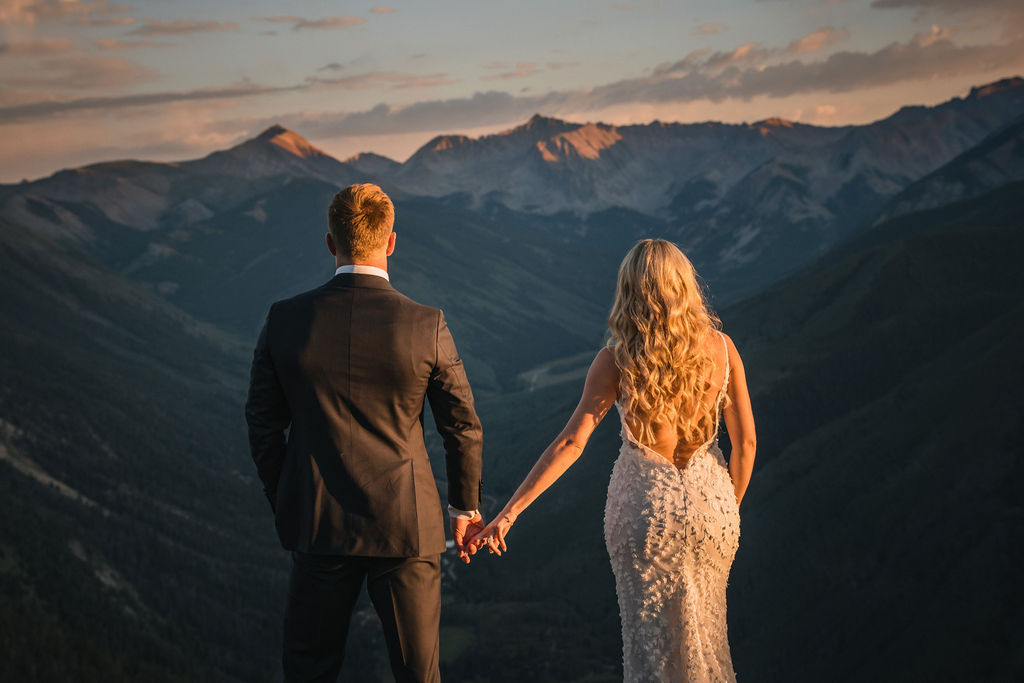
An ideal wedding day timeline protects the moments that matter without making the couple feel controlled by a schedule. For most Aspen and mountain weddings, the biggest planning mistake is not the amount of portrait time—it is underestimating relaxed getting-ready mornings, transportation, parking, vendor access, and the way one late event affects everything after it.
My preferred approach is to plan the important moments clearly, add honest travel and setup buffers, complete family and wedding-party portraits before the ceremony when possible, and leave enough flexibility for the couple to enjoy the day. The schedule should serve the experience, the guests, and the finished photography and film.
This guide covers the entire wedding day. For the order of entrances, dinner, speeches, dances, and cake cutting, use the separate wedding reception timeline.
Written and reviewed by Dale Mitchell, Aspen wedding photographer and filmmaker at Summit Photo & Film. Last reviewed August 2026.
Wedding Photography Timeline at a Glance
| Part of the day | Recommended time | What changes the timing |
|---|---|---|
| Details and flat lays | 15 minutes minimum; 25 minutes ideal | Number of items and how artistic the couple wants the styling to be |
| Active getting-ready photos | 5–10 minutes per person | One photographer covering separate locations, hair and makeup delays, or staged group photos |
| First look | 20 minutes | Walking to the location and whether photo and film both need setup time |
| Primary couple portraits | 20–30 minutes | A portrait-focused location such as Maroon Bells may justify 60–90 minutes |
| Wedding-party portraits | 10 minutes ideal; 20–30 minutes realistic | Group size, travel, and the number of combinations |
| Family portraits | 10 minutes ideal; 20–30 minutes realistic | The approved list and unplanned requests |
| Ceremony and reception details | 10–15 minutes each | Whether the rooms are finished before guests enter |
| Sunset or evening portraits | 5–10 minutes | Usable mountain light rather than the published sunset time |
| Open dancing | 60–90 minutes | Special traditions or a coordinated exit |
Details and Flat Lays: 15 to 25 Minutes
I like a minimum of 15 minutes for details and flat lays, with about 25 minutes being ideal. If the timeline is tight, prioritize objects with meaning: the rings, invitation, vows, heirlooms, or accessories that are part of the couple’s story. If we have more time, I prefer to photograph everything and create a more artistic arrangement.
Place the items together before coverage begins. Removing invitations from envelopes, finding both rings, cutting tags, and gathering jewelry during the photography window uses the time intended for creating the images.
Getting Ready: Short Coverage, Generous Schedule Buffer
The active photography portion of getting ready often takes only five to ten minutes per person. We may photograph a jacket or dress being put on, final makeup touches, interactions with friends, and a few intentional portraits. These moments can look candid, but some are lightly directed so the story reads clearly in photographs and film.
The larger timing issue is the relaxed morning around those photographs. This is usually the least pressured part of the day. Couples and friends are talking, eating, and enjoying themselves, and hair and makeup can finish later than planned. I do not want to turn that calm time into someone repeatedly telling the couple to hurry, and the planner is not always present yet. That is why the schedule needs buffer even though the photography itself is brief.
I also love the fun, staged traditions: matching robes, champagne pops, and everyone posing on the bed. They may sound cheesy on paper, but they create great photographs, great film moments, and a genuinely fun experience for the group. Keep them when the couple enjoys them; just assign them a clear time.
When should hair and makeup be finished?
For a tight schedule, plan for hair and makeup to be complete at least 20 minutes before the first look. If one photographer also needs to cover the other partner getting ready before departure, approximately 45 minutes gives the team a more realistic handoff. Earlier is safer when locations are separate.
One Photographer or Two During Getting Ready?
Two photographers are especially helpful when the couple is getting ready in separate locations. Each side can remain present with their people while both stories are covered at the same time.
One photographer can still cover both sides successfully when the locations and schedule allow it. The couple needs to understand the timing, and the more flexible partner—often the groom—may need to be ready earlier. I would not automatically remove that person’s getting-ready coverage to simplify the plan. Those photographs add balance to the gallery, and the footage helps a wedding film build emotion before the ceremony.
Adding film should not dramatically lengthen the day. As a filmmaker, I generally work alongside the photographer. The timeline simply needs a little more room for camera placement and setup, and fewer last-second changes, because film shots sometimes require preparation that photography can accomplish more quickly.
First Look: Plan 20 Minutes
I strongly recommend a first look. The idea can feel staged while planning, but the actual moment almost always feels genuine and special. It also happens only once, and it creates a clear emotional sequence for both photography and film.
Allow approximately 20 minutes: about 10 minutes to place one partner, explain what will happen, and bring the other partner into position; approximately five minutes for the reveal; and another five minutes for the couple to talk and enjoy the moment.
Seeing each other for the first time at the ceremony can be deeply meaningful. However, if the couple wants the reaction communicated clearly in photographs or film, it is harder to capture. The aisle, guests, officiant, distance, and camera angles all compete for attention. A private first look gives the couple more space and gives both cameras a better opportunity to preserve the emotion.
If the couple chooses not to see each other before the ceremony, I highly recommend a first look with a parent or wedding party. It gives the morning an emotional centerpiece without changing the ceremony reveal.
Couple Portraits: 20 to 30 Minutes, With Location-Based Exceptions
Twenty to 30 minutes is ideal for primary couple portraits, with another five to ten minutes reserved for sunset or evening light. That creates variety without making the wedding feel like a photo shoot.
Some weddings are intentionally portrait-driven. At a location such as Maroon Bells, the landscape and portraits may be one of the main reasons the couple chose the setting. In those cases, an hour to an hour and a half can be appropriate. I am happy to use that time—the more breathing room we have, the more variety and stronger photographs we can create.
For a broader day, schedule the amount of portrait time the couple will actually enjoy. By the reception, most couples have taken many photographs and are ready to join their guests.
Wedding Party and Family Photos: Finish Before the Ceremony When Possible
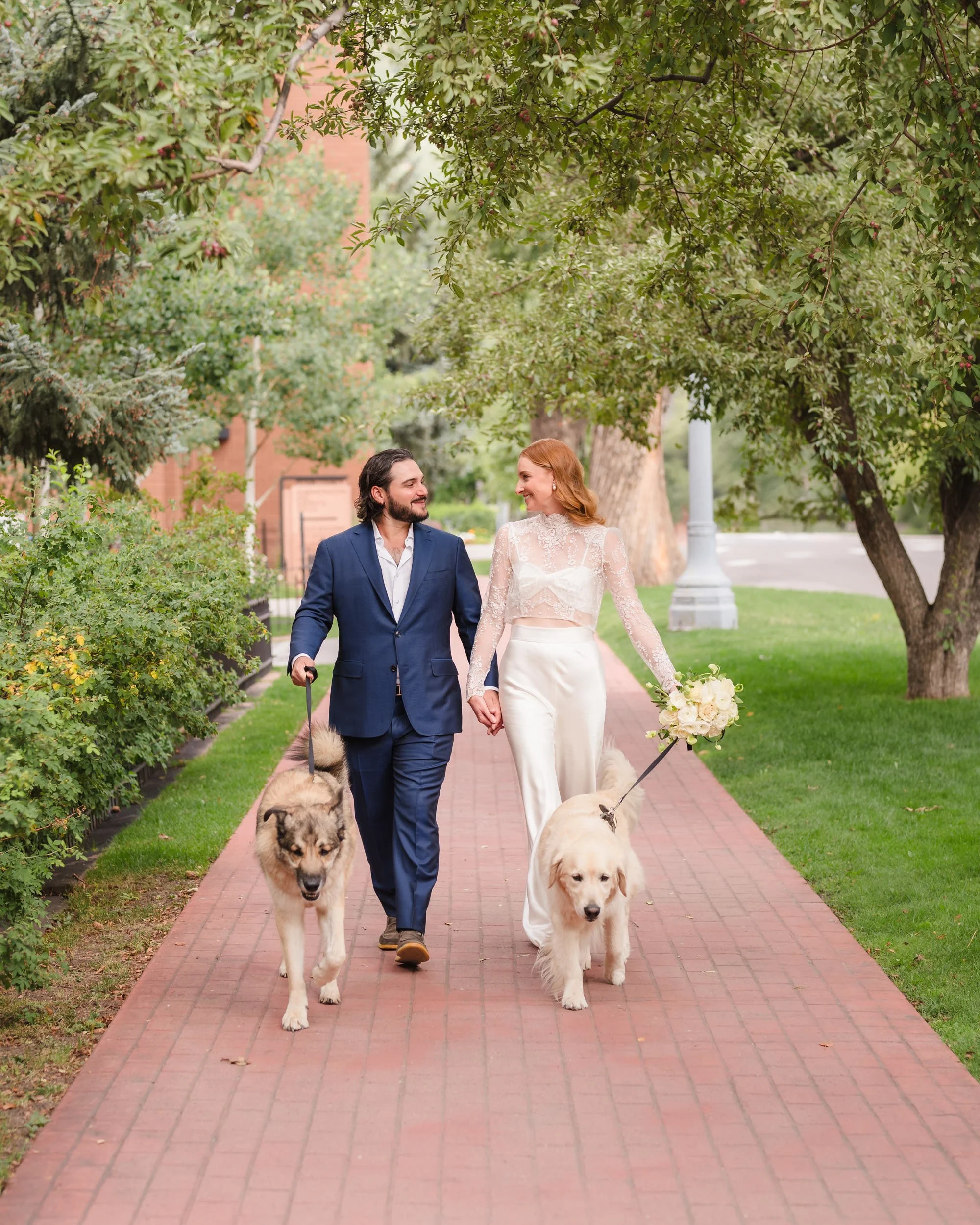
Ten minutes for wedding-party portraits and 10 minutes for family would be ideal, but 20 to 30 minutes for each is more realistic once group size, walking, and organization are considered. Completing these photographs before the ceremony keeps cocktail hour from becoming overloaded.
Use a short, approved family-photo list and authorize the photographer to follow it. If a relative requests several new combinations during the session, I can politely protect the schedule and offer to revisit optional photographs later. That keeps the reception on time and preserves the couple’s energy.
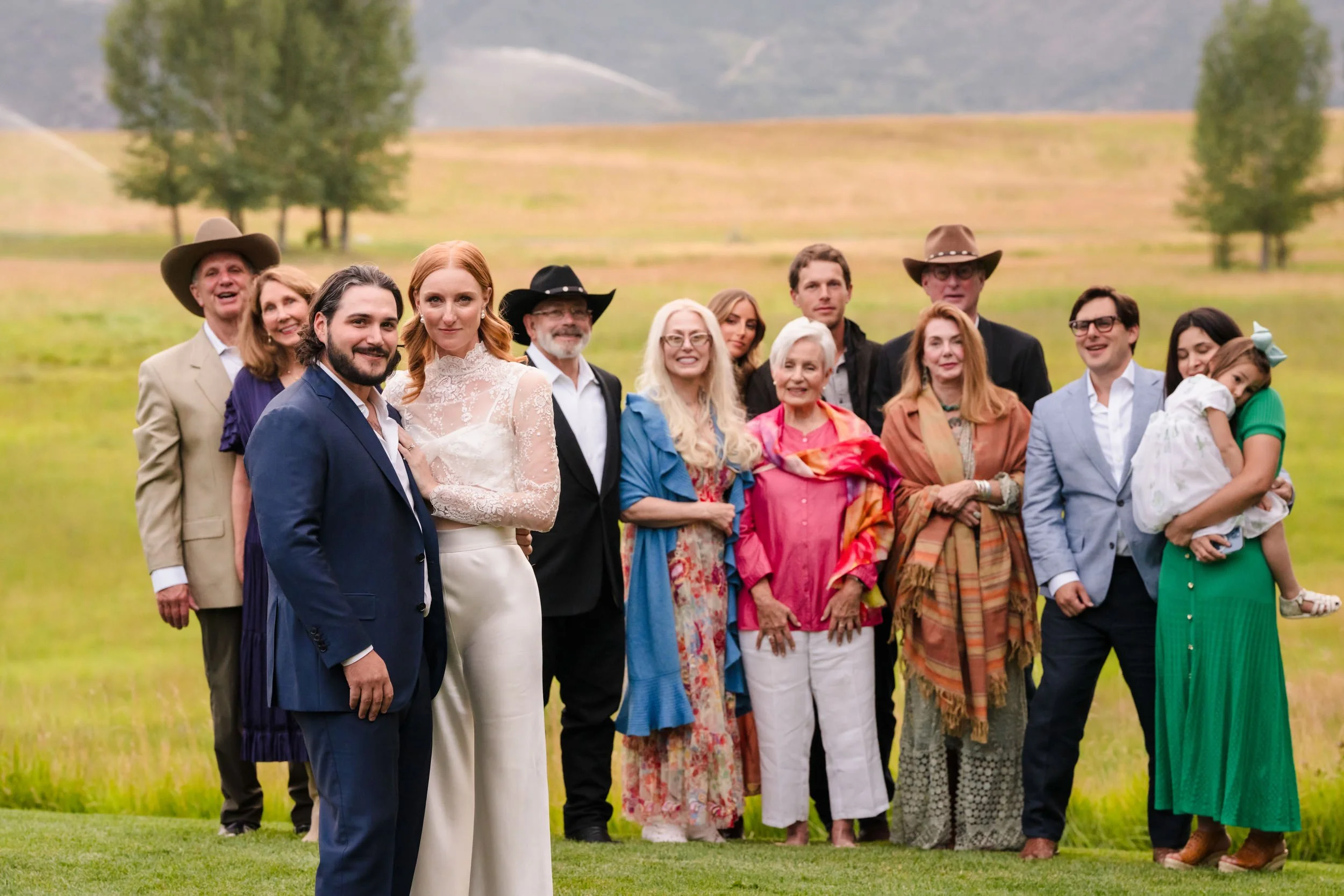
Extended-family photographs work well immediately after the ceremony because everyone is gathered. An even better option can be the welcome party: relatives are already together, the atmosphere is relaxed, and the wedding-day list becomes shorter.
Individual photographs with every bridesmaid and groomsman are usually unnecessary unless those images are important to the couple. For large wedding parties, choose as many serious or playful combinations as the couple wants, but decide in advance how much timeline space they deserve.
Private Vows, Receiving Lines, and Other Traditions
I love private vows when the schedule allows them. They create an intimate experience and meaningful audio for film, even when the couple also exchanges vows during the ceremony.
Receiving lines can also be fun and personal, but they need enough people helping to organize them. Without a clear location and coordinator, they become a bottleneck between the ceremony and reception.
- Bouquet toss: Still fun and worth keeping when it fits the group, even though it is less common.
- Garter toss: Generally safe to skip because it is now uncommon, but it can work with the right couple and crowd.
- Table visits: Do them if the couple values them, but understand that visiting every table can take 45–60 minutes and leave the couple exhausted. Candid guest coverage often preserves the evening more naturally.
- Night portraits: Optional, but creatively worthwhile. Off-camera flash can produce something completely different when the venue offers an interesting setting.
Aspen Transportation and Vendor Access Buffers
Many Aspen weddings use three locations: one for getting ready, another for the ceremony, and another for the reception. Each move introduces parking, shuttles, walking, loading, and communication. A timeline that lists only driving time is not realistic.
At Aspen Meadows Resort, for example, it can take approximately seven or eight minutes from parking to putting down gear, followed by another three minutes before I am ready to photograph. Downtown Aspen may require finding parking before that process even begins. Gondolas and shuttles add fixed departure times and less flexibility if someone is late.
Add as much honest buffer as the locations allow. At one venue, transportation buffer can be modest. With two or three locations, add time for loading, parking, walking, and regrouping—not just the map estimate. If valet parking is available, couples should tell vendors beforehand whether vendor valet fees are covered. That small detail can simplify access for the entire team.
Mountain Weather and Usable Sunset Light
Mountain forecasts frequently look bad, and many wedding days still turn out well. Weather can nevertheless delay florists, rentals, catering, or room setup even when the ceremony remains dry. One team’s delay can prevent the next vendor from starting, so weather buffer protects more than outdoor portraits.
Published sunset time is also not the same as usable light. Aspen’s peaks can block direct sun much earlier than the horizon time shown in a weather app. Plan portraits around the light at the actual venue. Five to ten minutes later in the evening is usually enough for a distinct set of portraits without removing the couple from the reception for long.
What Six, Eight, and Ten Hours Really Cover
| Coverage | Best fit | Practical tradeoff |
|---|---|---|
| 6 hours | Condensed weddings where coverage begins near the ceremony and continues through the primary reception events | Usually no getting-ready story and limited room for transportation or delays |
| 8 hours | A traditional wedding that needs some preparation coverage, ceremony, portraits, and early dancing | Often feels rushed from getting ready through the reception, especially with multiple locations |
| 10+ hours | Aspen destination weddings, separate getting-ready locations, photo-and-film storytelling, or couples who want the complete day | Enough room for both partners getting ready, transportation, ceremony, portraits, formalities, and open dancing with real buffer |
Eight hours is often presented as the default, but it does not automatically create a relaxed schedule. With Aspen travel and multiple locations, it can feel rushed. Ten hours or more allows the couple to enjoy the day, lets the vendor team absorb small delays, and gives photography and film enough material to tell a complete story.
Sample Six-Hour Wedding Timeline
This condensed example assumes one main venue or minimal travel and begins shortly before the ceremony.
- 3:30 p.m. — Coverage begins; ceremony and personal details
- 4:00 p.m. — Ceremony
- 4:30 p.m. — Approved family list and wedding-party portraits
- 5:00 p.m. — Couple portraits and cocktail-hour candids
- 5:45 p.m. — Reception entrance and first dance
- 6:00 p.m. — Dinner
- 6:45 p.m. — Toasts, parent dances, and cake
- 7:15 p.m. — Open dancing
- 9:30 p.m. — Coverage ends
Sample Eight-Hour Wedding Timeline
This version includes preparation coverage but stays efficient. Separate locations require additional travel time or reduced photography somewhere else.
- 1:30 p.m. — Details and one partner getting ready
- 2:15 p.m. — Other partner getting ready
- 2:45 p.m. — First look
- 3:05 p.m. — Couple portraits
- 3:35 p.m. — Wedding party and immediate family
- 4:30 p.m. — Ceremony details and guest arrivals
- 5:00 p.m. — Ceremony
- 5:30 p.m. — Cocktail-hour candids and remaining approved family photos
- 6:30 p.m. — Reception entrance, dinner, and all formalities
- 8:15 p.m. — Open dancing
- 9:30 p.m. — Coverage ends
Sample Ten-Hour Wedding Timeline
This example includes more complete storytelling and buffer. Exact times should move with the ceremony, venue light, and transportation plan.
- 11:30 a.m. — Details and flat lays
- 12:00 p.m. — Both partners getting ready with coordinated coverage
- 1:15 p.m. — Wedding-party or parent first looks
- 1:45 p.m. — Couple’s first look and private vows
- 2:15 p.m. — Couple portraits
- 2:45 p.m. — Wedding party and immediate family
- 3:45 p.m. — Transportation and venue-access buffer
- 4:30 p.m. — Ceremony details and guest arrivals
- 5:00 p.m. — Ceremony
- 5:30 p.m. — Cocktail hour, extended-family list, and reception details
- 6:30 p.m. — Entrance, dinner, toasts, parent dances, and cake
- 8:15 p.m. — Open dancing
- 8:45 p.m. — Five-to-ten-minute evening portraits
- 9:00–9:30 p.m. — Uninterrupted dancing
- 9:30 p.m. — Coverage ends or continues for a planned exit
When Should Photography Coverage End?
For most weddings, 60 to 90 minutes of open dancing creates enough variety. After that, photographs often become repetitive and heavier drinking does not necessarily produce the strongest images. Coverage can end after a solid dance set unless the couple has a meaningful late-night tradition or coordinated exit.
Grand exits are less common and require more coordination than couples expect. If one matters, assign a planner or coordinator to lead it and make sure the venue, DJ, transportation, photography, and film teams share the plan.
Wedding Day Timeline FAQ
Is eight hours enough for a wedding?
Eight hours can cover preparation through early dancing, but it often feels tight when an Aspen wedding uses multiple locations. Ten or more hours offers more complete getting-ready coverage, transportation buffer, and a relaxed pace.
Should we do a first look?
I recommend one for most couples. It creates an emotional experience that photographs and films clearly, allows more portraits before the ceremony, and reduces pressure during cocktail hour.
How long should family photos take?
Plan 20 to 30 minutes in most cases and use a short approved list. Ten minutes is possible for a very small, organized group with no added combinations.
How much buffer should an Aspen wedding include?
Account for parking, unloading, walking gear into the venue, shuttles, gondolas, and regrouping—not only driving time. One venue needs less buffer; two or three locations require substantially more.
Do photo and film require separate timelines?
No. A coordinated team can follow one schedule. Film benefits from slightly more setup time and fewer last-second changes, but it should not dramatically slow the wedding day.
Download the Printable Wedding Timeline Worksheet
Use this four-page planning worksheet with your planner and photography and film team. It includes a custom schedule, family-photo list, mountain transportation buffers, vendor safeguards, and a reception-energy checklist.
Download the Wedding Timeline Worksheet (PDF)
Build a Timeline That Creates Freedom
A relaxed wedding does not require abandoning the schedule. The right schedule protects calm getting-ready time, meaningful traditions, strong portraits, the guest experience, and the couple’s energy. It also gives the vendor team room to adapt when weather, traffic, parking, or setup changes.
For help planning photography and film coverage around your Aspen or Colorado mountain wedding, contact Summit Photo & Film. You can also review our wedding photography experience and wedding film coverage.


